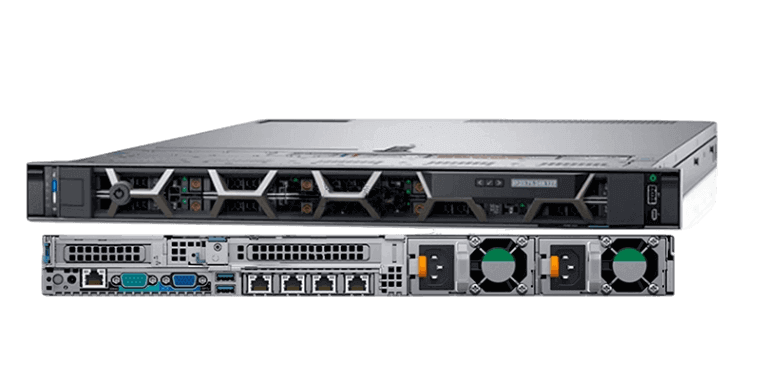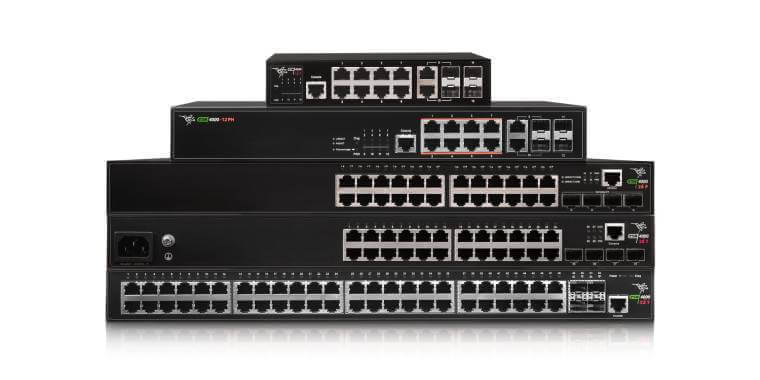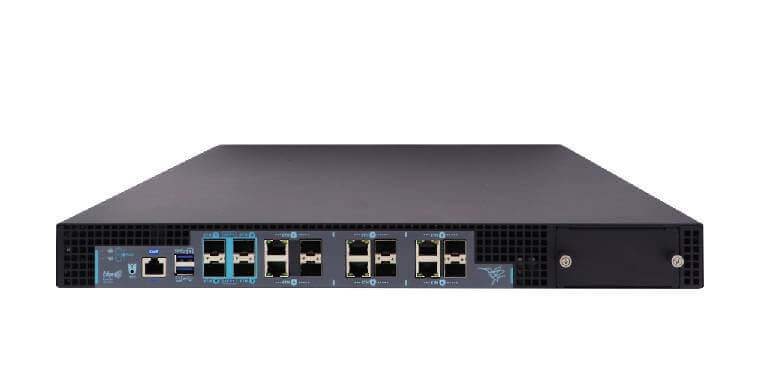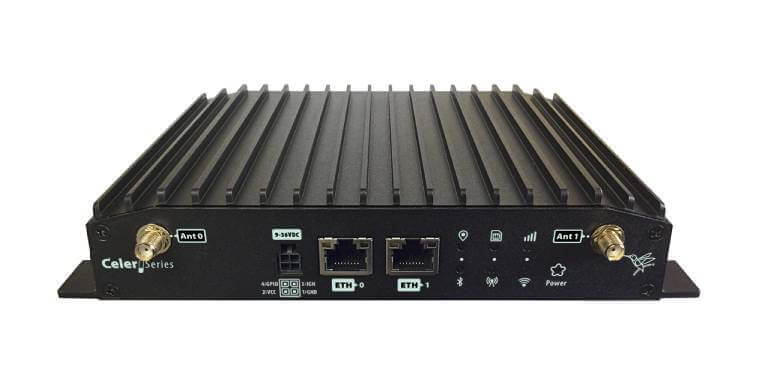


High-performance Switching Solutions
Scalable, secure, high-capacity switching infrastructure for campus networks, SMEs, and large corporations, designed to deliver performance, resilience, and efficient management
Switching for Ambitious Corporate Networks

Teldat’s high-performance switches provide a reliable, scalable and secure network foundation for corporate and campus environments, supporting traffic growth and business continuity:
- High-capacity, low-latency switching for critical traffic
- Advanced Layer 2 and Layer 3 features for scalable networks
- PoE and PoE+ support for Wi-Fi, IoT, and edge devices
- High availability with redundancy and resiliency options
- Centralized management and simplified network operation





Corporate Switching in the Digital Age

Corporate networks are undergoing a profound transformation driven by cloud adoption, mobility, IoT, and the exponential growth of connected devices. Campuses, SMEs, and large corporate environments need switching infrastructures that are capable of handling rising traffic volumes whilst maintaining high levels of availability, security, and operational efficiency.
Traditional architectures can no longer support today’s demands. Organizations need scalable networks that enable segmentation, high-speed links, power delivery to edge devices, and seamless integration with routing, Wi-Fi, and security services.
At the same time, IT teams must reduce operational complexity, minimize disruptions, and ensure business continuity. In this context, high-performance switching solutions become a key element, acting as the foundation on which the company’s digital services are built.
What are the important points related to Switching

Scalability as a key requirement
Networks must grow in a flexible manner to support more users, devices, and applications without complex redesigns or impact on daily operations.

High availability and performance
High bandwidth, low latency, and redundancy mechanisms are essential to ensure uninterrupted critical business services.

Integrated connectivity and power
Modern switching must provide data and power to Wi-Fi access points, IP cameras, and IoT devices using PoE.

Operational simplicity
Centralized management and automation reduce operating costs and allow IT to focus on strategic initiatives.
Understanding High-performance Switching

High-performance switching refers to a network’s ability to transfer large volumes of data efficiently, reliably, and securely. It is not just about connecting devices but ensuring that critical applications and services run in a predictable manner.
In corporate and campus environments, switching is part of a hierarchical architecture that includes access, aggregation, and core layers. Each layer has specific requirements in terms of capacity, availability, and resilience. A well-designed switching architecture allows traffic to flow without bottlenecks between users, applications, data centers, and cloud services.
Network segmentation is another key element. Using VLANs, Layer 3 routing, and quality of service policies, organizations can isolate traffic, improve security, and prioritize critical applications.
In addition, business continuity requires fault-tolerant infrastructures. Features such as redundant power supplies, link aggregation, and fast convergence protocols are essential.
Finally, operational efficiency is crucial. When a network grows, complexity increases. High-performance switching must incorporate management, monitoring, and automation tools that simplify deployment and daily operation.
Switching Teldat Products & Solutions
High-performance switching refers to a network’s ability to transfer large volumes of data efficiently, reliably, and securely. It is not just about connecting devices but ensuring that critical applications and services run in a predictable manner.
In corporate and campus environments, switching is part of a hierarchical architecture that includes access, aggregation, and core layers. Each layer has specific requirements in terms of capacity, availability, and resilience. A well-designed switching architecture allows traffic to flow without bottlenecks between users, applications, data centers, and cloud services.

Network segmentation is another key element. Using VLANs, Layer 3 routing, and quality of service policies, organizations can isolate traffic, improve security, and prioritize critical applications.
In addition, business continuity requires fault-tolerant infrastructures. Features such as redundant power supplies, link aggregation, and fast convergence protocols are essential.
Finally, operational efficiency is crucial. When a network grows, complexity increases. High-performance switching must incorporate management, monitoring, and automation tools that simplify deployment and daily operation.
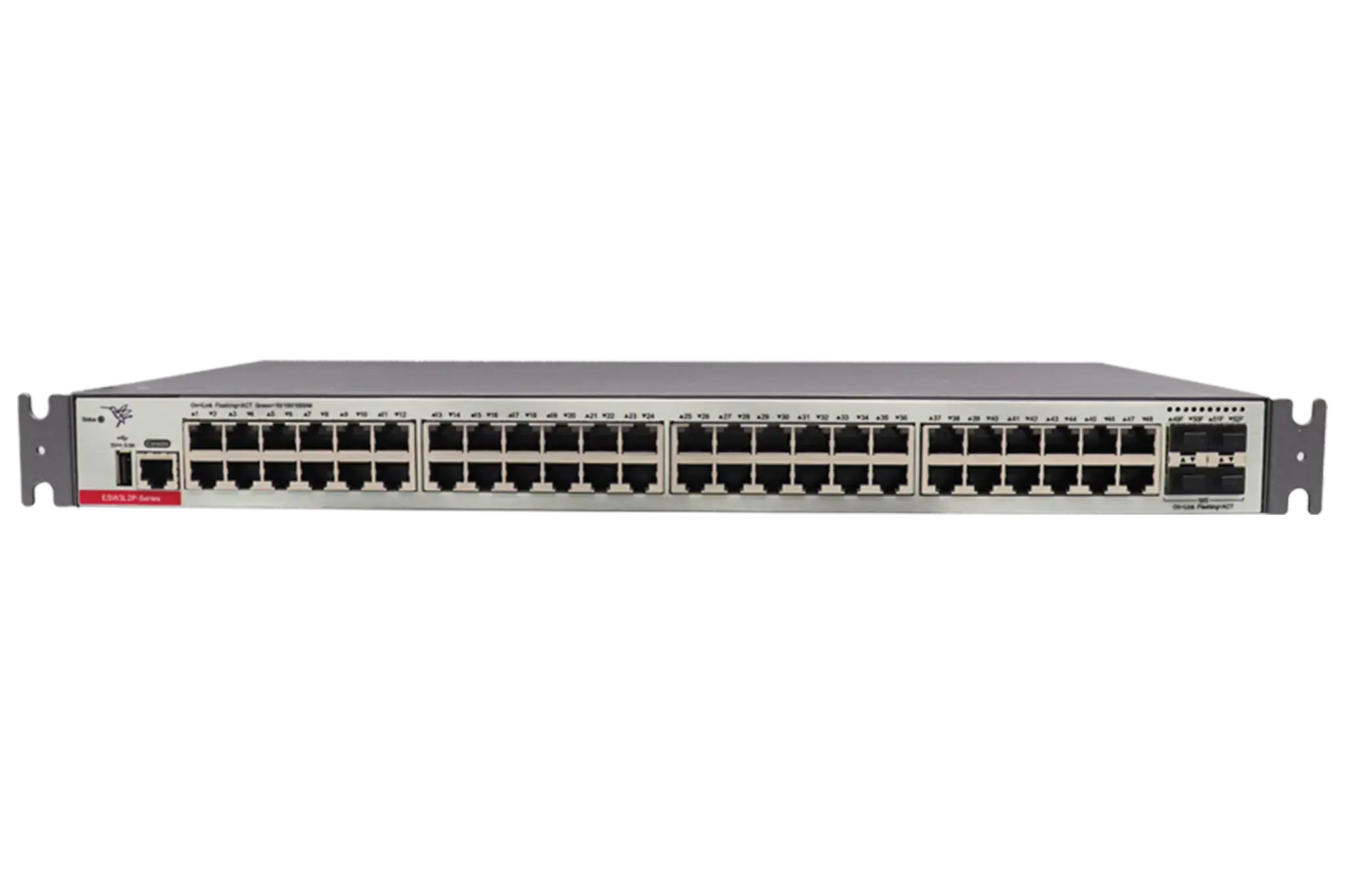
Power to Wi-Fi access points, IP telephony, cameras, and IoT devices, combining operational simplicity with advanced security, VLAN, and QoS features.
The Windbit ESW0L3 Switch and Windbit ESW1L3 Switch series broaden these capabilities by incorporating Layer 3 features, enabling network segmentation, basic routing, and greater scalability in corporate networks beyond L2 architectures.
For more demanding environments, the Windbit ESW2L3 Switch series provides routed access switching, higher port density, and high-speed uplinks, providing efficient traffic aggregation and advanced service support to modern campus architectures.
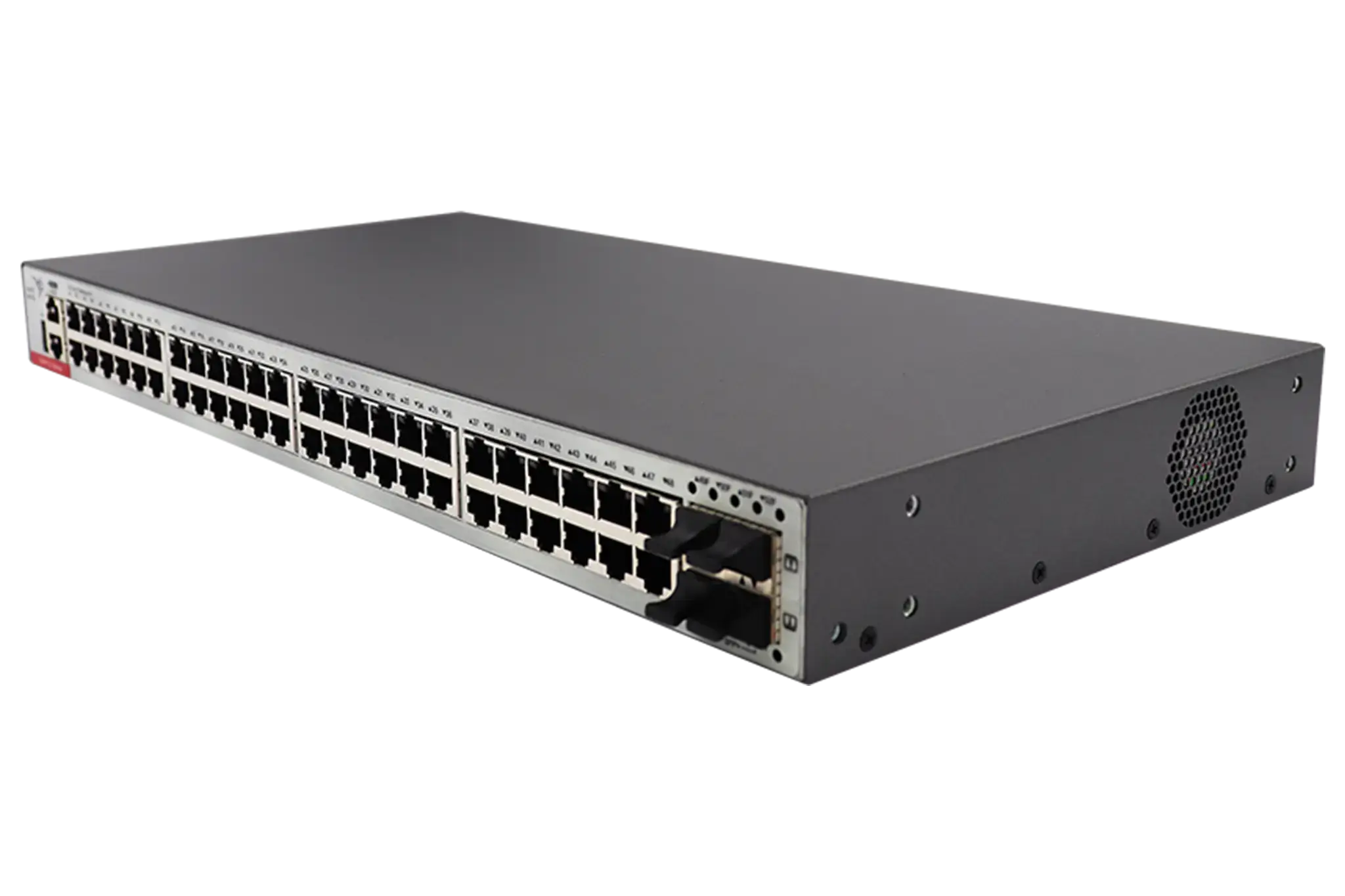
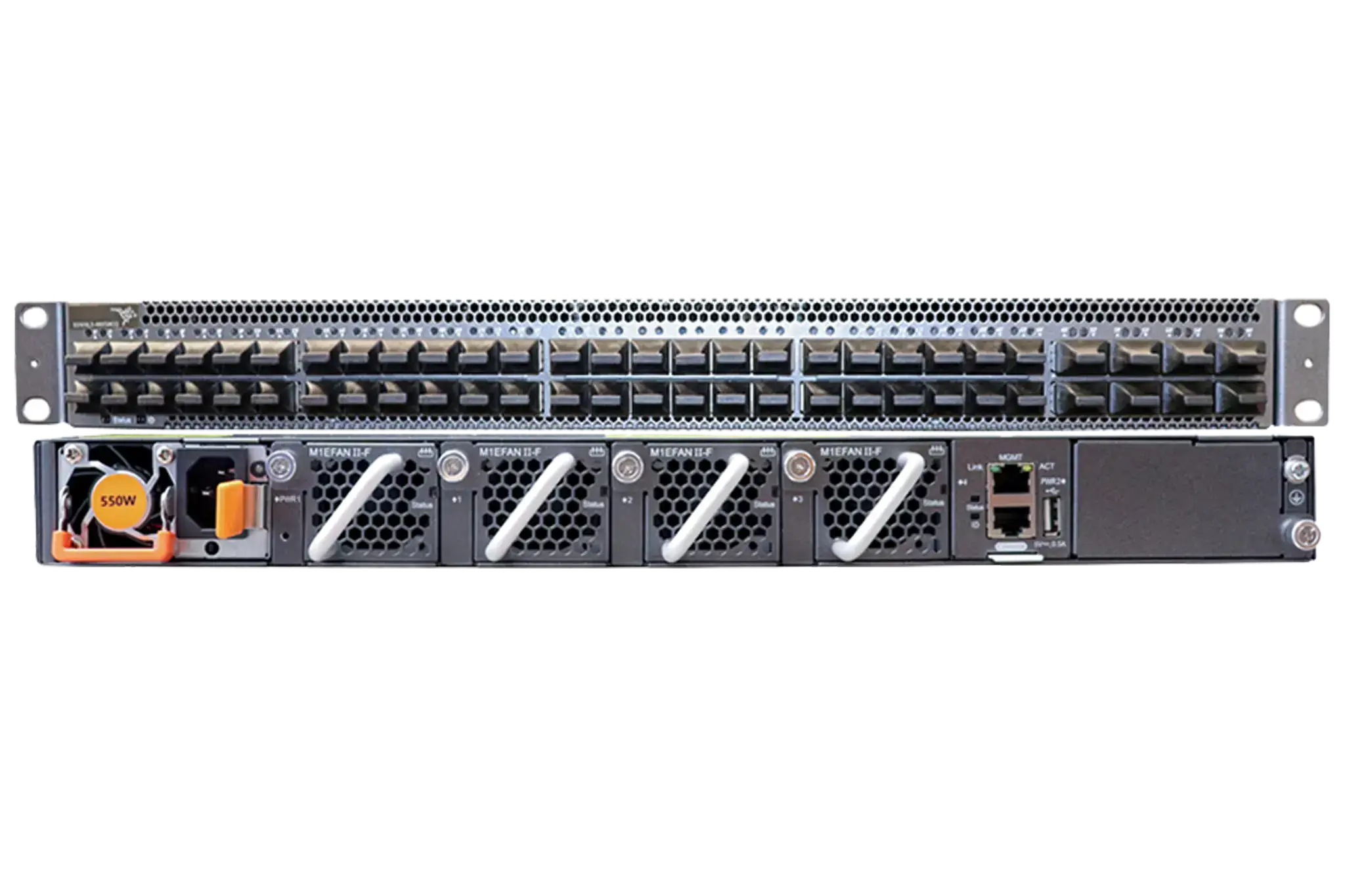
At the core and aggregation layer, the Windbit ESW4L3 Switch series offers high switching capacity, advanced routing functions, and redundancy options, ensuring service continuity in critical infrastructures and large networks.
All Teldat switching solutions are designed to meet corporate reliability standards, support centralized management, and integrate natively with Teldat firewalls, Wi-Fi solutions, and security services, enabling the construction of coherent, resilient, and growth-ready network architectures.
Switching Use Cases

Corporate Campus Networks
High-density connectivity and resilient switching for corporate campus environments.

Digital Transformation in SME’s
Scalable switching infrastructure to support growth and cloud services.

Critical Infrastructures
High-availability switching for 24/7 environments and critical services.
Corporate Campus Networks
High-density connectivity and resilient switching for corporate campus environments.
Challenge
Campus networks must support a large number of users, devices, and critical applications distributed across multiple buildings. The proliferation of high-density Wi-Fi, IoT devices, video surveillance, and cloud services generates constant traffic and demands low latency and high availability. Many organizations still operate with limited switching infrastructures that lack scalability, have poor segmentation, and lack adequate redundancy (thus increasing the risk of service outages, bottlenecks, and security issues). In addition, IT teams need to simplify daily operations without increasing network complexity.
Whether it’s employee devices or IoT devices, they will require reliability to ensure consistent network coverage, as well as protection from security threats and cyber attacks. Additionally electronic network office systems need the management complexity to be simplified as much as possible).
Solution

Teldat’s high-performance switching solution enables the construction of scalable and resilient campus architectures. At the access layer, Windbit ESW3L2P and Windbit ESW0L3 switches provide Gigabit connectivity with PoE/PoE+ to power Wi-Fi access points, IP phones, and IoT devices. At the aggregation and core layers, the Windbit ESW2L3 and Windbit ESW4L3 series provide advanced routing, high-speed links, and redundancy mechanisms. This architecture ensures high performance, efficient segmentation, and service continuity across campus.
Why Teldat?
Teldat offers a complete portfolio covering all campus layers with a consistent architecture, centralized management, and enterprise-grade reliability, reducing complexity and ensuring controlled network evolution.
Digital transformation in SME’s
Scalable switching infrastructure to support growth and cloud services.
Challenge
SMEs are facing rapid digitization driven by the adoption of cloud services, remote working, and new corporate applications. These organizations need reliable and secure networks, but often have limited resources and small IT teams. Rigid switching infrastructures make it difficult to segment, prioritize traffic, and integrate new services such as corporate Wi-Fi or VoIP. In addition, the lack of PoE requires the deployment of additional devices, increasing costs and points of failure, which compromises operational efficiency and user experience.
Solution

Teldat’s switching solution enables SMEs to deploy a modern, scalable, and easy-to-manage infrastructure. Windbit ESW3L2P switches provide efficient PoE access for Wi-Fi , and edge devices, while the Windbit ESW0L3 and Windbit ESW1L3 models incorporate Layer 3 features to segment and protect the network. This combination enables progressive growth, cost optimization, and support for cloud services without having to redesign the infrastructure.
Why Teldat?
Teldat brings together business performance and operational simplicity, offering scalable solutions as SME’s grow without increasing complexity or operating costs.
Critical Infrastructures
High-availability switching for 24/7 environments and critical services.
Challenge
Critical infrastructures, such as industrial environments, public administrations, or essential services, require networks with permanent availability and fault tolerance. Disruptions can directly impact operations, security, or the provision of services. These environments demand high-performance switching, segmentation capabilities, redundant links, and secure power for critical devices. Many legacy infrastructures do not offer adequate resilience or visibility mechanisms, making maintenance difficult and increasing operational risk.
Whether it’s employee devices or IoT devices, they will require reliability to ensure consistent network coverage, as well as protection from security threats and cyber attacks. Additionally electronic network office systems need the management complexity to be simplified as much as possible).
Solution

Thanks to the Windbit ESW2L3 and Windbit ESW4L3 series, Teldat provides a robust switching architecture with high switching capacity, advanced routing, and redundancy options. At the access layer, Windbit ESW3L2P provides reliable connectivity and PoE for critical devices. Combining these platforms creates fault-tolerant networks with fast convergence and high availability, suitable for 24/7 environments.
Why Teldat?
Teldat’s switching solutions have been designed for particularly demanding scenarios. They offer reliability, resilience, and complete integration with the company’s networking ecosystem.
Read our latest Blog Posts
Understanding the technology behind heat pipes
Heat pipes transfer heat on electronic devices & industrial applications, using the heat transition principle, to transfer to heat sinks within a cooling system. Heat pipes have clear advantages over other heat dissipation methods. What are heat pipes? Heat pipes...

The importance of sequencing power domains in electronics
There is a clear trend in the electronics industry for integration, allowing for more compact and efficient designs. More and more, electronics manufacturers are making their chips smaller, including more components within their chips and extending the feature range....

Improving device reliability and redundancy
In a previous article we looked at how to mathematically calculate the reliability of electronic equipment. That is, the probability of it working correctly for a given period of time. This is best characterised by the Mean Time Between Failure (MTBF), or its...