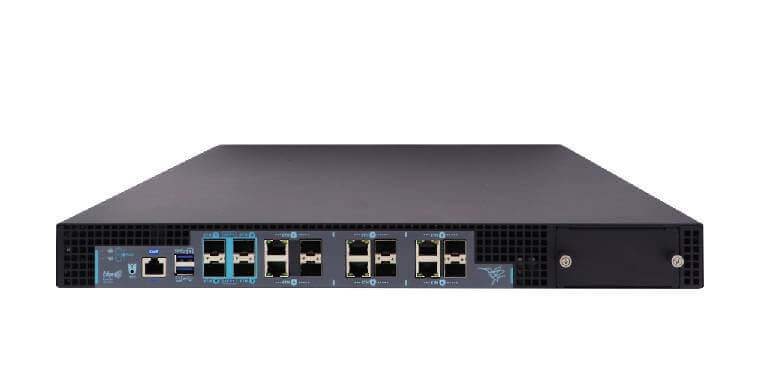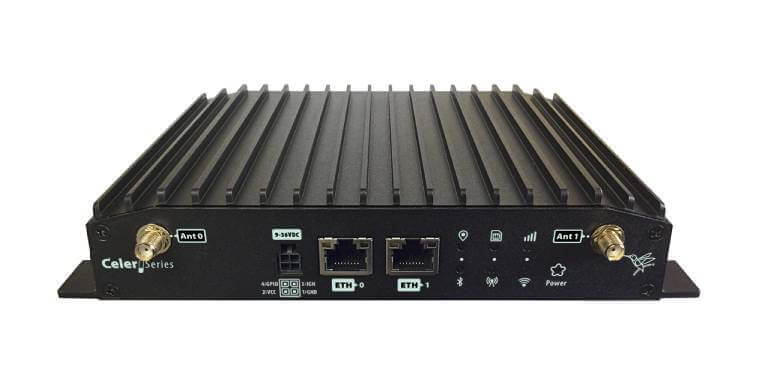


Heat transfer is a crucial part of how any electronic equipment works. When devices are operating, their internal components generate heat, and that heat needs to be dissipated in a controlled way. Doing so ensures safe and reliable operation, helps maintain optimal performance, and reduces the risk of unexpected failures. In short, good thermal management plays a key role in extending the lifespan of electronic systems.
Why Heat Transfer matters in network equipment?
Network devices include multiple active components that continuously generate heat during normal operation. Ensuring that this heat is properly transferred and dissipated is essential to keep the equipment operating within its designed thermal limits. Effective thermal management also helps maintain stable performance, even under high load conditions.
In industrial settings, operating conditions are often more demanding than in other scenarios. High ambient temperatures, limited ventilation, the presence of contaminants, or continuous operation over long periods all place additional stress on network equipment. These factors reduce the available thermal margin, meaning that poor heat management can have a direct impact on performance, stability, and availability—potentially putting service continuity at risk.
Temperature plays a decisive role in the reliability and service life of electronic components. Prolonged operation at high temperatures accelerates aging processes, increases the likelihood of failures, and can lead to gradual degradation that is difficult to detect.
For these reasons, heat transfer should not be seen as a secondary concern. Instead, it is a key factor that influences the design, installation, and operation of network equipment—especially in applications where high reliability, continuous service, and low maintenance requirements are essential.
Measures to address thermal issues
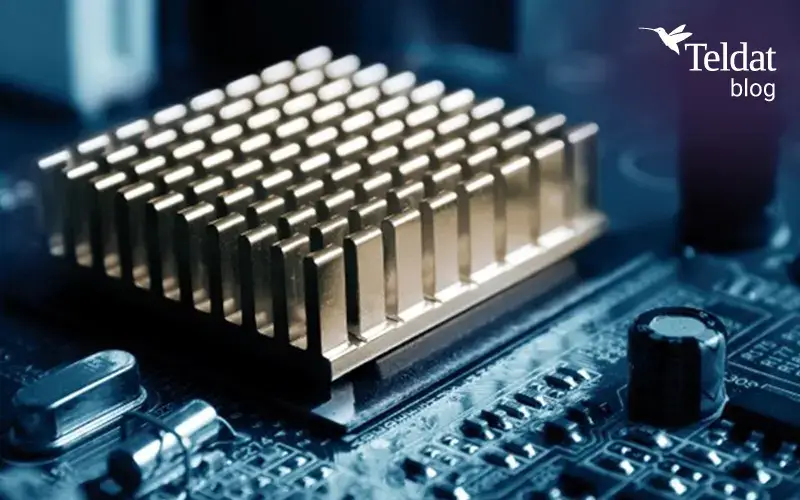
Heatsinks are one of the most common solutions for reducing the temperature of critical components. Their main function is to increase the surface area available for heat exchange between the component and the surrounding air, making it easier for heat to be removed through conduction.
In many industrial designs—especially in equipment without active ventilation—heatsinks are complemented or replaced by metal thermal contact blocks, usually made of aluminum. These blocks are placed in direct contact with the PCB components that generate the most heat and act as thermal transfer elements. Their purpose is not only to dissipate heat locally, but also to conduct it toward other parts of the equipment with greater heat-dissipation capacity, such as the chassis. To ensure efficient heat transfer, thermal interface materials are used to compensate for mechanical tolerances and improve contact between surfaces.
The chassis plays a fundamental role in the thermal management of industrial network equipment. Unlike other environments, where the chassis mainly serves a structural or aesthetic purpose, in industrial applications it is often designed to act as an active heat-dissipation element. Metal enclosures—typically made of aluminum—help distribute the heat generated inside the equipment and transfer it to the exterior, where it is released through natural convection and radiation. This approach significantly increases the system’s thermal capacity without adding moving parts or increasing maintenance requirements.
For these solutions to work effectively, the correct selection of thermal interfaces is essential. Thermal pads, pastes, or specialized adhesives are used to reduce thermal resistance between components, metal blocks, heat sinks, and the chassis. Choosing the right material depends on factors such as thermal power, mechanical tolerances, and long-term stability.
By contrast, forced ventilation using fans is used only to a limited extent in industrial network equipment. Although effective from a thermal perspective, fans can allow dust, moisture, or contaminants to enter the device, potentially degrading electronic components and affecting operation. For this reason, passive cooling solutions are generally preferred in industrial environments, as they are more robust and better-suited to continuous, long-term operation.
Conclusions on Heat Transfer for network equipment
At first glance, thermal management may seem like a minor concern. However, the use of heat dissipation elements—and knowing exactly where to place them—is crucial in the design and manufacture of electronic equipment.
At Teldat, a dedicated team of hardware R&D engineers analyzes the thermal dissipation requirements of all our products from multiple perspectives. This approach allows us to optimize each solution and deliver equipment tailored to the specific needs of different industries and customers.