

The modern office is no longer just an extension of corporate headquarters. It has evolved into a complex, interconnected node within a dynamic digital ecosystem, where employees access cloud applications, handle sensitive data, and collaborate across multiple platforms simultaneously. Managing this complexity with traditional, siloed networking and security tools is no longer sustainable.
Secure SD-Branch convergence has emerged as a strategic response to this challenge. By bringing together software-defined networking, WAN management, and security functions within a unified architecture, it enables organizations to transform how they design, operate, and secure their office networks. Understanding what this convergence means—and why it matters is essential for any organization looking to stay competitive in today’s digital landscape.

What is secure SD-Branch convergence?
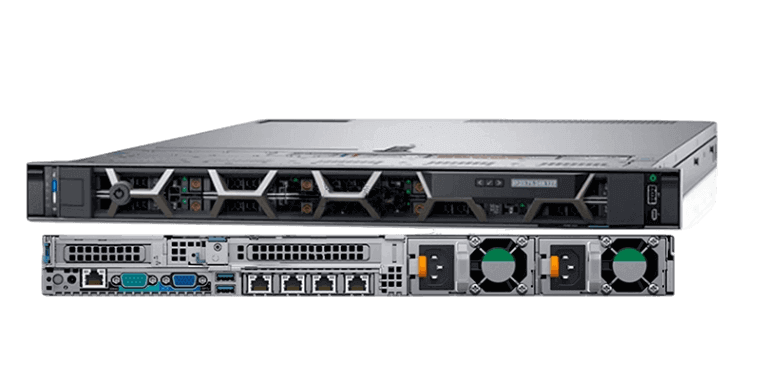
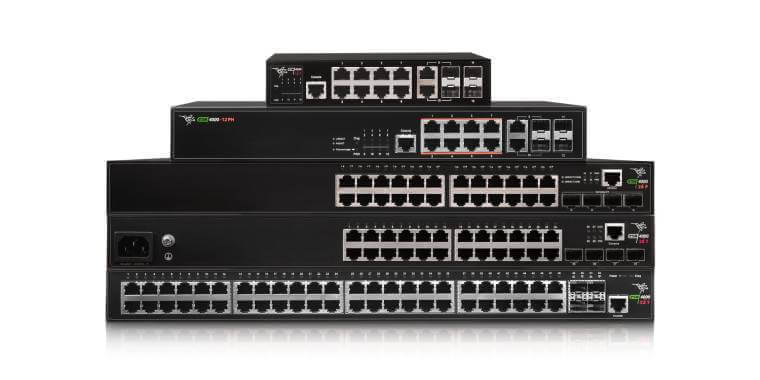
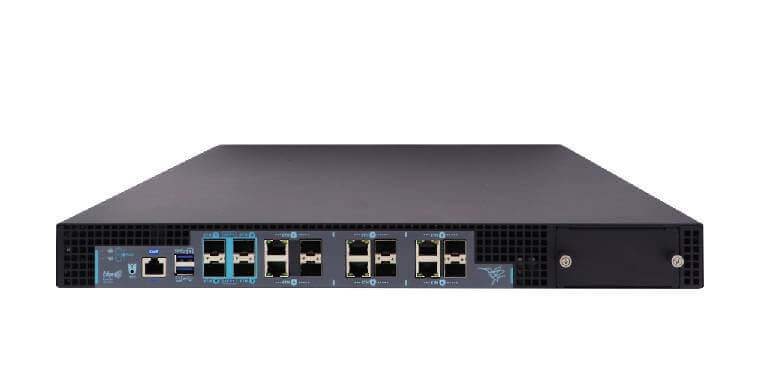
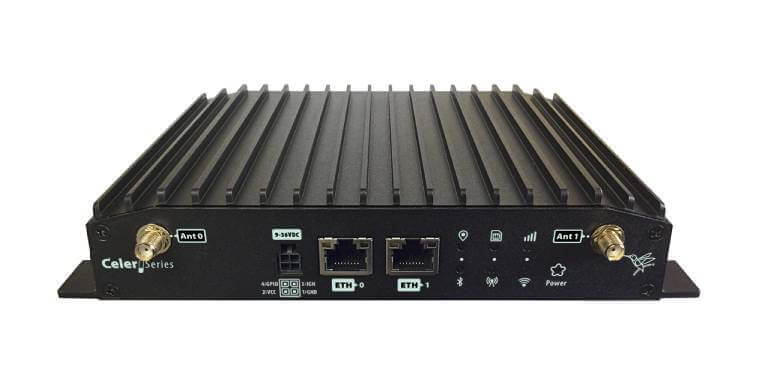
In simple terms, secure SD-Branch convergence brings together multiple networking and security capabilities into a single, centrally managed platform designed for office environments. Traditionally, remote offices relied on a collection of independent devices, such as devices, firewalls, WAN optimization appliances, and wireless access point controllers. Sometimes even a dedicated SD-WAN solution. Each component required its own configuration, management interface, and maintenance cycle, increasing operational complexity and the risk of security gaps between systems.
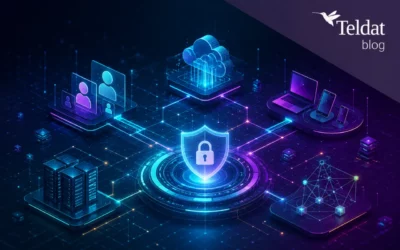
SD-Branch transforms this model by combining SD-WAN (software-defined wide area networking), LAN management, and security services such as next-generation firewalls, intrusion prevention, and secure access controls into a single, cohesive solution. Security is not an afterthought; it is built into the architecture from the ground up, ensuring that all traffic across the office is inspected and governed according to consistent, centrally defined policies.
The converged platform is typically managed through a cloud-based controller or orchestration layer, providing IT teams with full visibility and control across all offices from a single interface. This centralized approach makes SD-Branch not just a technical evolution, but a true operational shift.
Which organizations benefit most from secure SD-Branch convergence?
While secure SD-Branch convergence delivers value across a wide range of organizations, some stand to benefit more than others from adopting this architecture.
Retail chains and franchise networks are among the clearest candidates. These organizations often operate hundreds or even thousands of locations, each requiring reliable connectivity to payment systems, inventory databases, and corporate applications. Managing networks and security individually across such a distributed environment is both costly and difficult to maintain. A converged SD-Branch model enables IT teams to deploy, configure, and update locations consistently and efficiently.
Financial institutions with distributed office networks face similar challenges, further compounded by stringent regulatory requirements for data protection and network segmentation. SD-Branch delivers a consistent security framework that enables them to meet compliance obligations without adding operational overhead.
Healthcare providers operating clinics, diagnostic centers, and satellite facilities also stand to benefit significantly. The sensitive nature of patient data, combined with an increasing reliance on cloud-based applications, makes a robust, integrated network and security framework not just desirable, but essential.
Beyond specific sectors, any organization undergoing digital transformation migrating workloads to the cloud, adopting SaaS applications, or enabling remote and hybrid work,will quickly find that traditional office architectures can no longer keep pace. Secure SD-Branch convergence delivers the agility and security required to operate efficiently in a cloud-first world.
Key benefits of secure SD-Branch convergence
The benefits of secure SD-Branch convergence extend well beyond operational efficiency. By replacing multiple single-purpose devices with a unified platform, organizations can significantly reduce hardware and licensing costs, while also minimizing the time and effort required to manage disparate systems.
From a security perspective, convergence eliminates the blind spots that typically arise when networking and security operate independently. Consistent policy enforcement across all locations ensures that new sites are protected from day one, reducing the risk of misconfigurations associated with manual, device-by-device setup.
From an operational perspective, centralized visibility and automation reduce the time required to troubleshoot issues, apply updates, and deploy new sites. IT teams gain a unified view of network performance and security events, enabling faster, more informed responses to emerging threats and connectivity issues. The result is a more secure, efficient, and adaptable office infrastructure, better aligned with evolving business needs.
Conclusion
Secure SD-Branch convergence marks a fundamental shift in how organizations approach office infrastructure. By unifying networking and security within a centrally managed platform, it eliminates operational silos, strengthens security posture, and reduces the cost of managing distributed environments.
As organizations adopt cloud services, expand their geographic footprint, and face an increasingly complex threat landscape, traditional office architectures built on isolated devices are becoming harder to justify. Secure SD-Branch convergence offers a more intelligent, resilient path forward.
For IT leaders shaping their long-term infrastructure strategy, the question is no longer whether convergence is the right direction, but how quickly and effectively they can execute it.