

Zero Touch Provisioning (ZTP) has become a central concept in modern network architecture discussions, particularly in environments adopting SD‑WAN and automation-driven operations. In its simplest explanation, ZTP allows a network device to be shipped directly to a remote location, powered on, and automatically configured without manual intervention. While this concept sounds straightforward, the reality becomes significantly more complex when organizations scale beyond pilot deployments. Integrating hundreds or even thousands of distributed branch locations introduces operational, architectural, and automation challenges that cannot be solved by a single feature alone.
In large enterprise networks, Zero Touch Provisioning is not simply about eliminating manual configuration. It is about designing a reliable automation framework capable of provisioning infrastructure consistently, securely, and at scale. This shift represents a broader transformation in network operations from manual configuration workflows to fully orchestrated infrastructure deployment.

Context and Evolution of Network Deployment
Historically, WAN deployments relied heavily on manual configuration. Network engineers configured routers through command‑line interfaces (CLI), adapted configuration templates for each branch office, and frequently relied on technicians traveling onsite to complete installation and validation.
Although effective for small infrastructures, this operational model presents several limitations as networks grow:
- Increased risk of human configuration errors
- Inconsistent configurations between sites
- Slow deployment cycles for new locations
- Operational overhead for network teams
Each new branch office effectively required repeating the entire configuration process.
The emergence of SD‑WAN architectures significantly changed this model. By introducing centralized controllers and separating the control plane from the data plane, SD‑WAN platforms allow network administrators to manage distributed environments through centralized orchestration platforms and APIs.
This architectural shift laid the foundation for automated provisioning mechanisms such as Zero Touch Provisioning (ZTP).
Evolution of WAN Deployment Models
Industrial OT security specialization represents a fundamental shift in how we protect operational environments. It acknowledges a simple truth: OT is not IT, and securing it demands purpose-built approaches:
1 Traditional WAN Deployment
↓
2 Manual CLI Configuration
↓
3 Template‑based Configuration
↓
4 Centralized SD‑WAN Controllers
↓
5 Zero Touch Provisioning (ZTP)
↓
6 Large‑Scale Automated Network Deployment
This progression illustrates how enterprise networking has evolved from device‑centric configuration to controller‑driven infrastructure automation.
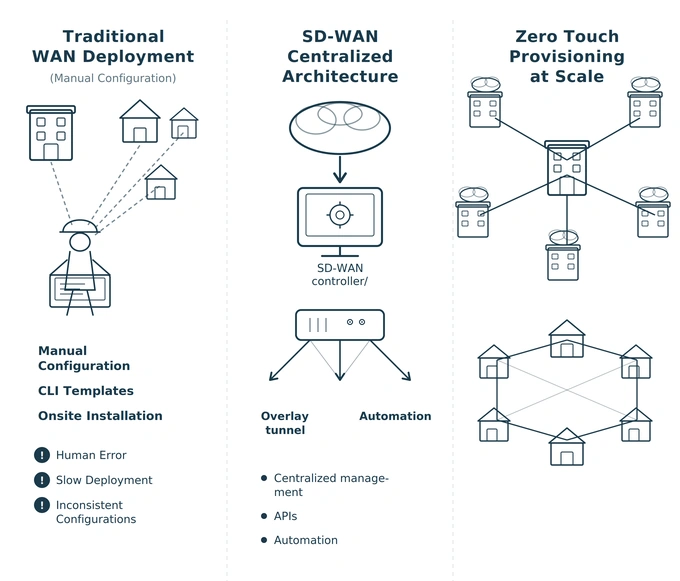
Figure 1 – Evolution of WAN Deployment Models
What Zero Touch Provisioning (ZTP) actually does?
From a technical perspective, Zero Touch Provisioning is an automated bootstrap process that allows a device to securely join the corporate network without requiring pre‑configuration before shipment.
A typical SD‑WAN ZTP workflow follows these stages:
1 Device Power On
↓
2 Obtain IP Connectivity (DHCP / LTE / Internet)
↓
3 Locate Orchestrator or Controller
↓
4 Secure Authentication (Certificates / Identity)
↓
5 Download Configuration and Firmware
↓
6 Join SD‑WAN Overlay Network
↓
7 Apply Policies and Segmentation
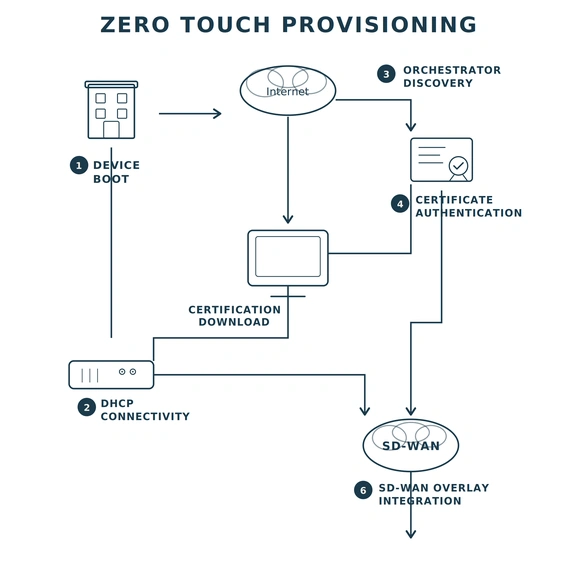 Figure 2 – Zero Touch Provisioning process
This automated onboarding process allows network teams to deploy infrastructure faster while maintaining centralized control over configuration and security policies.
Hidden dependencies behind ZTP
Despite its simplicity in demonstrations, Zero Touch Provisioning (ZTP) depends on several infrastructure components that must work together correctly.
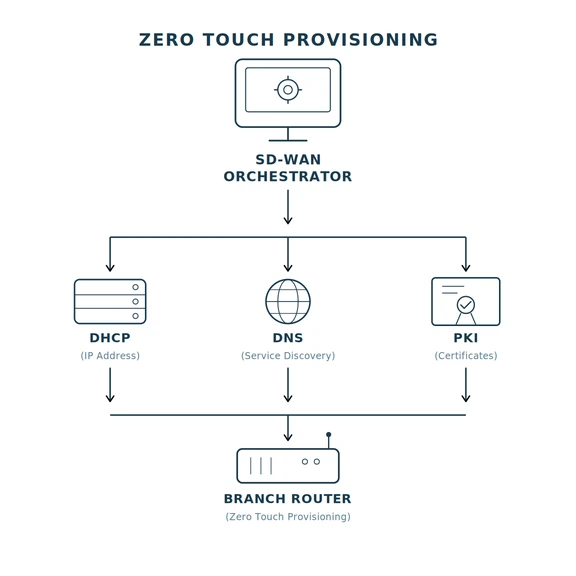
Figure 3 – Components of Zero Touch Provisioning
Key supporting systems typically include DHCP services, DNS discovery mechanisms, certificate authorities, and reliable connectivity options such as broadband, MPLS, LTE, or 5G.
If any of these elements fail during the provisioning process, the device onboarding workflow may be interrupted. For this reason, Zero Touch Provisioning should be designed as part of a broader infrastructure automation strategy rather than treated as a standalone feature.
Scaling the deployment with Zero Touch Provisioning (ZTP)
The real complexity of network automation appears when organizations move from pilot deployments to production environments.
10 Sites
↓
100 Sites
↓
500 Sites
↓
1000+ Sites
↓
Automation Becomes Mandatory
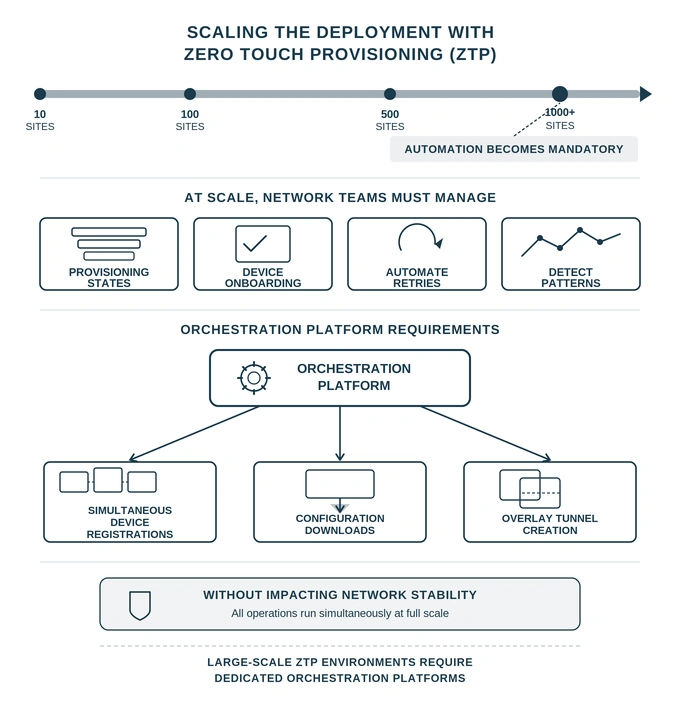
Figure 4 – Scaling the deployment with Zero Touch Provisioning (ZTP)
At this scale, network teams must manage provisioning states, monitor device onboarding, automate retries for temporary failures, and detect patterns across deployments.
Large‑scale ZTP environments also require orchestration platforms capable of handling simultaneous device registrations, configuration downloads, and overlay tunnel creation without impacting network stability.
Benefits of Zero Touch Provisioning (ZTP) in enterprise networks
When implemented correctly, Zero Touch Provisioning provides measurable operational advantages:
- Faster rollout of new branch offices
- Consistent network configurations across locations
- Reduced risk of human configuration errors
- Improved visibility into device lifecycle management
- Simplified large‑scale infrastructure deployments
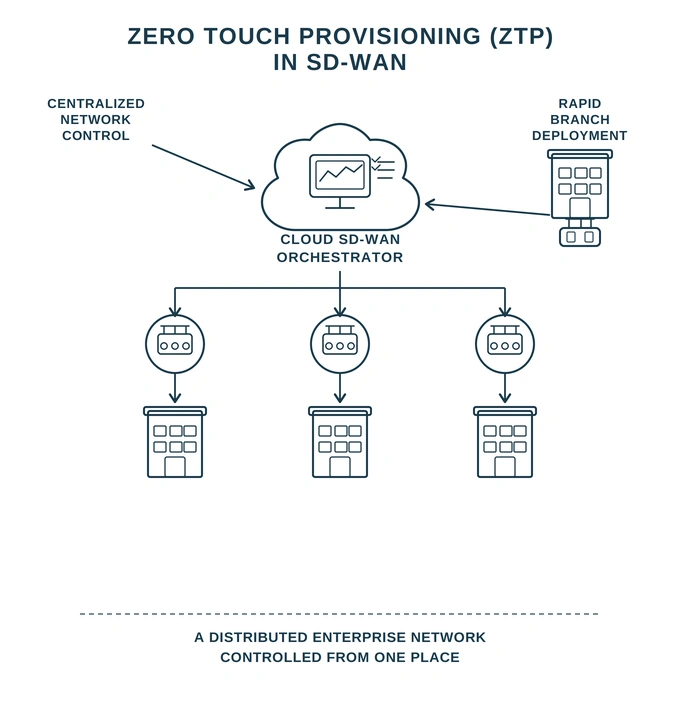 Figure 5 – Zero Touch Provisioning scale in SD-WAN
However, these benefits only materialize when automation workflows are carefully designed, tested, and governed. Without proper controls, automation can propagate configuration errors just as quickly as it can deploy infrastructure.
Conclusion on Zero Touch Provisioning (ZTP)
Zero Touch Provisioning represents a key operational capability for modern enterprise networks. As organizations continue expanding distributed infrastructures, automation becomes essential for maintaining consistency, security, and scalability. Rather than viewing ZTP as a simple convenience feature, network architects should treat it as part of a broader automation strategy that integrates orchestration platforms, identity infrastructure, and lifecycle management processes.
Modern SD‑WAN platforms incorporate secure onboarding mechanisms and centralized orchestration capabilities to support these large‑scale deployments. Teldat SD-WAN Solutions enable organizations to automate device provisioning while maintaining full visibility and operational control across distributed network environments.