Logo Teldat
Access Products

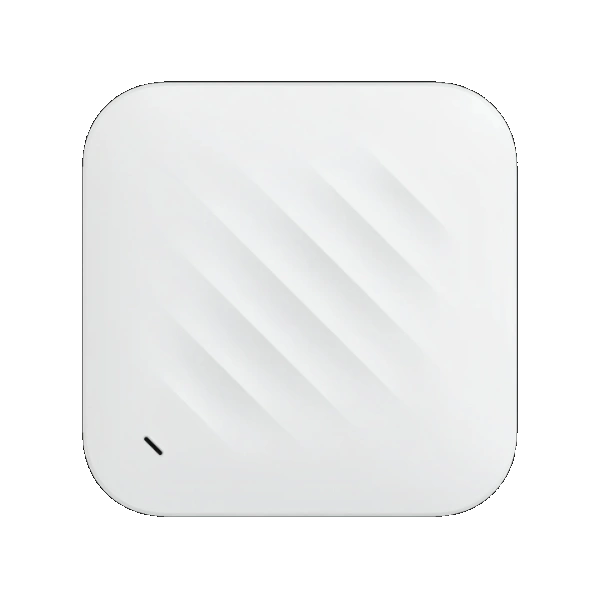
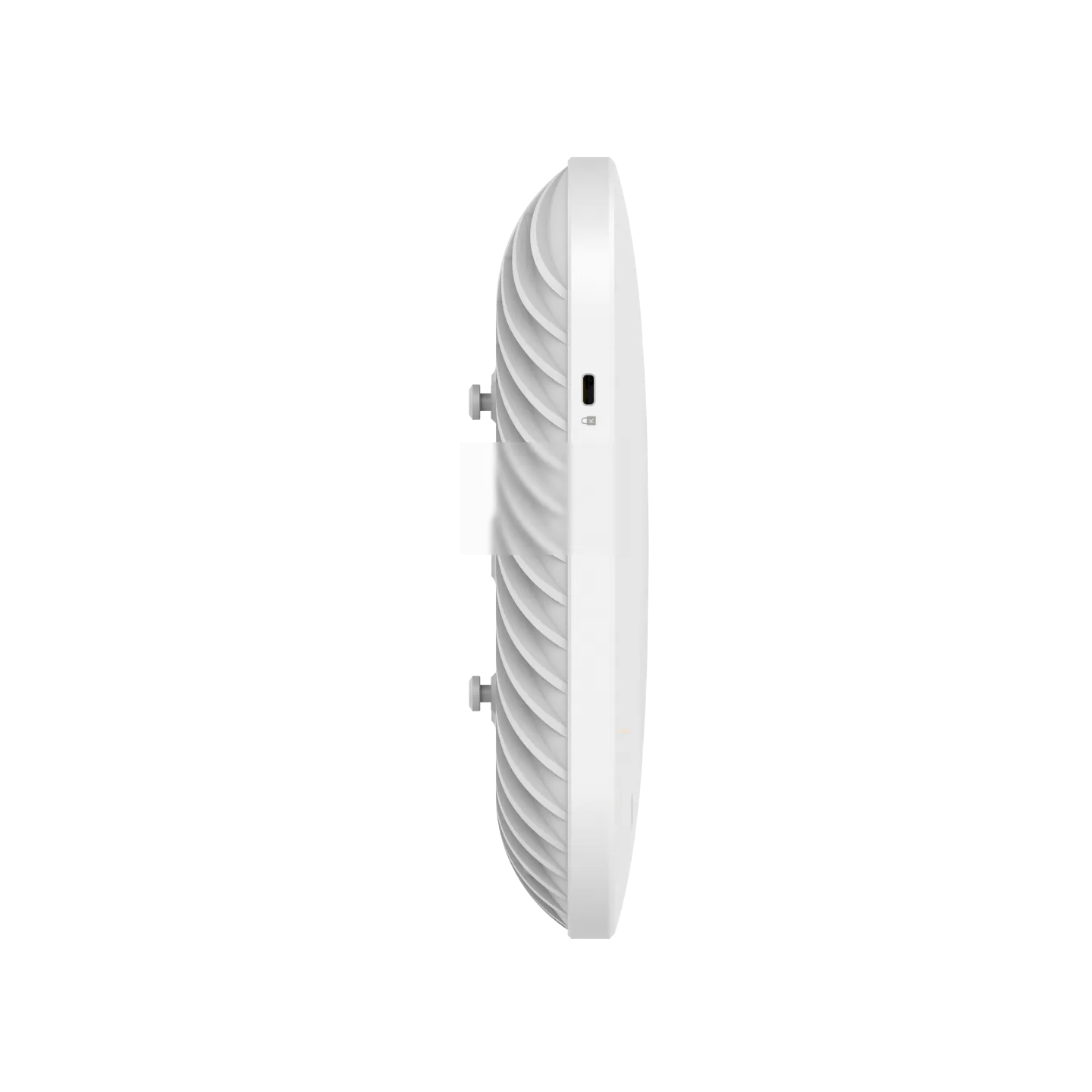
Quad radio Wi-fi 7 access point

Integrated AI radio

Product Highlights

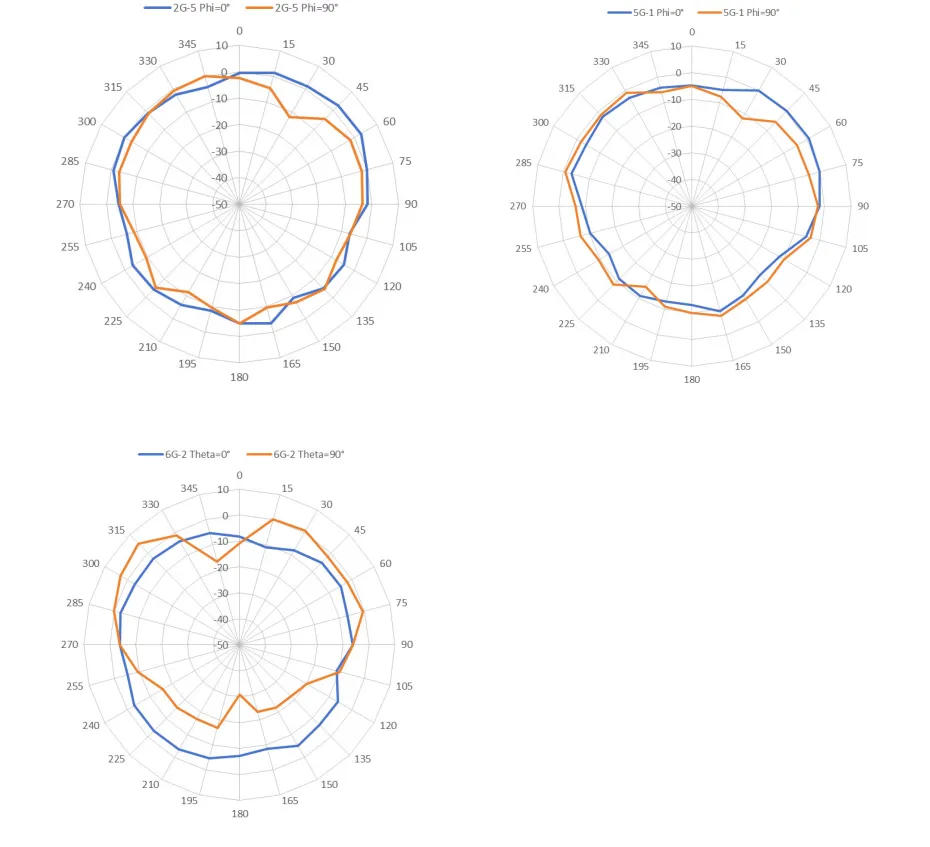
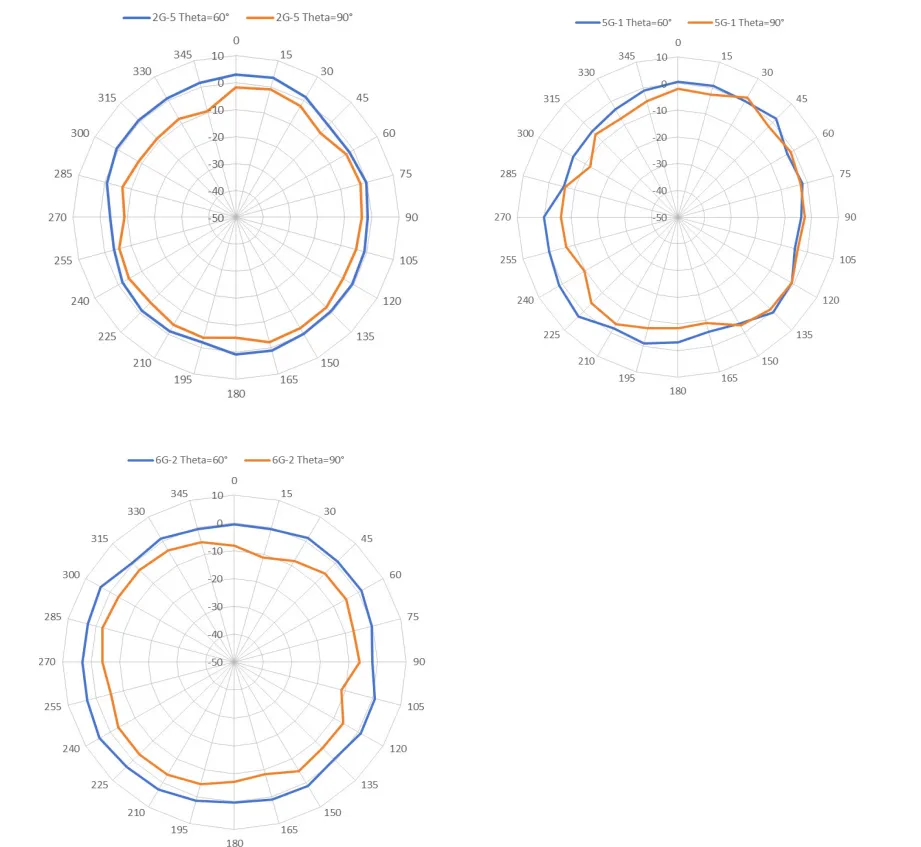
  •    Quad radio architecture supporting concurrent operation in the 2.4GHz, 5GHz, and 6GHz bands
  •   Wi-Fi7–class performance with support for advanced modulation, wide channel bandwidths, OFDMA, MLO
  •   Up to 8 spatial streams delivering an aggregate wireless throughput of up to 9.3Gbps
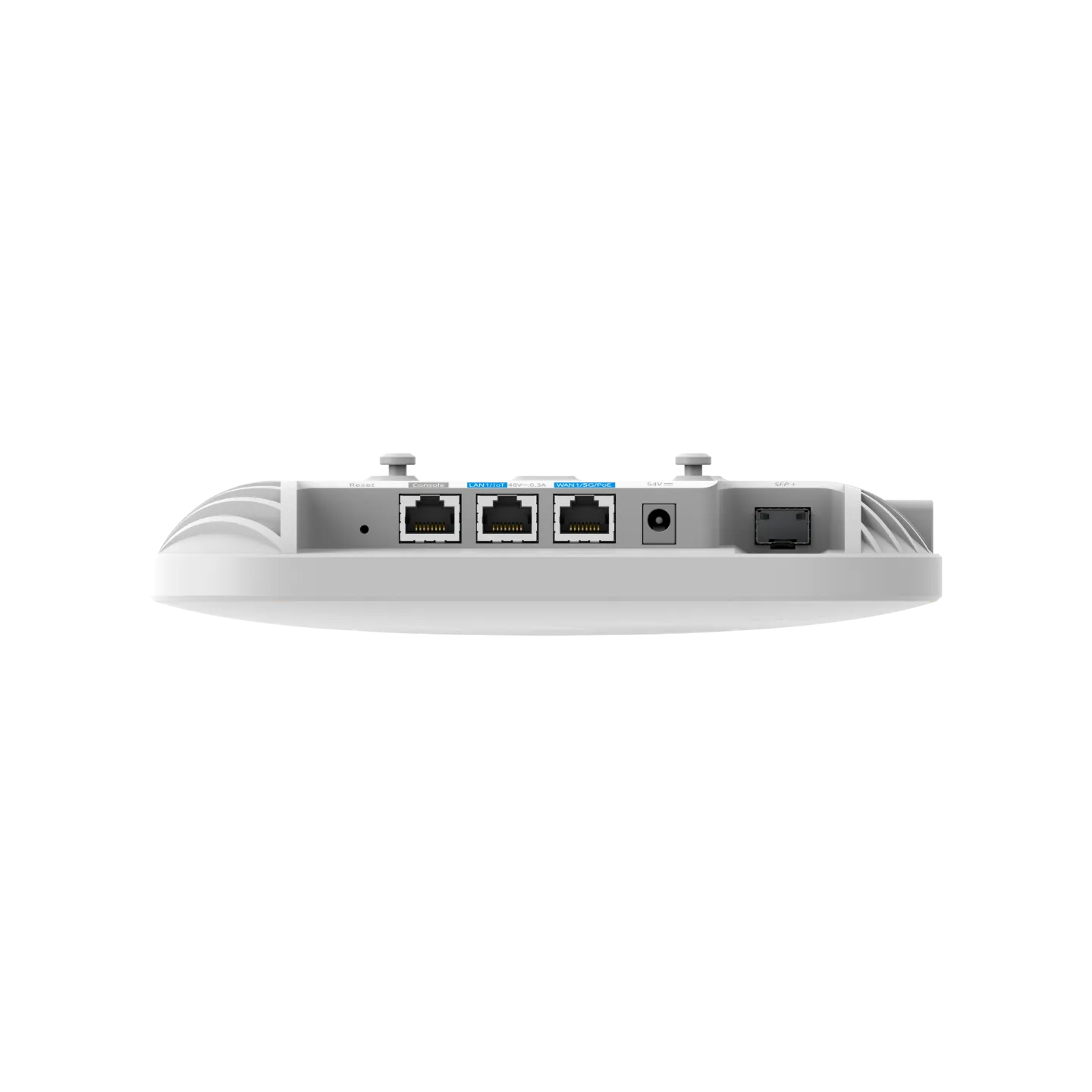
  •   Multi-gigabit uplink connectivity, including high-speed Ethernet interfaces up to 10GbE
  •   AI radio enables real-time full-band scanning, ensuring high security and superior user experience
  •   Advanced RF optimization, including dynamic channel selection, adaptive transmit power control
  •   Enterprise-grade security features, supporting modern authentication, encryption, and secure access
  • Introduction

    Windbit WAP841-IBE is a next-generation enterprise-grade wireless access point designed to meet the demands of high-density, high-performance Wi‑Fi environments. Built on a modern hardware architecture, it delivers reliable, high-throughput wireless connectivity for businesses, campuses, hospitality, and public venues.
    Engineered for scalability and long-term reliability, the Windbit WAP841-IBE is an ideal solution for organizations seeking to upgrade their wireless networks with a future-ready access point that combines performance, stability, and enterprise-class features. 

    Competitive Advantages

    Ultra‑high wireless capacity
    Quad‑radio architecture and Wi‑Fi 7‑class features deliver high aggregate throughput, ensuring consistent performance in all scnearios.
    Automatic Wi-Fi network optimization

    The device dynamically adjusts channels and transmission power, optimizing the radio environment and improving wireless efficiency.

    Simple and efficient administration

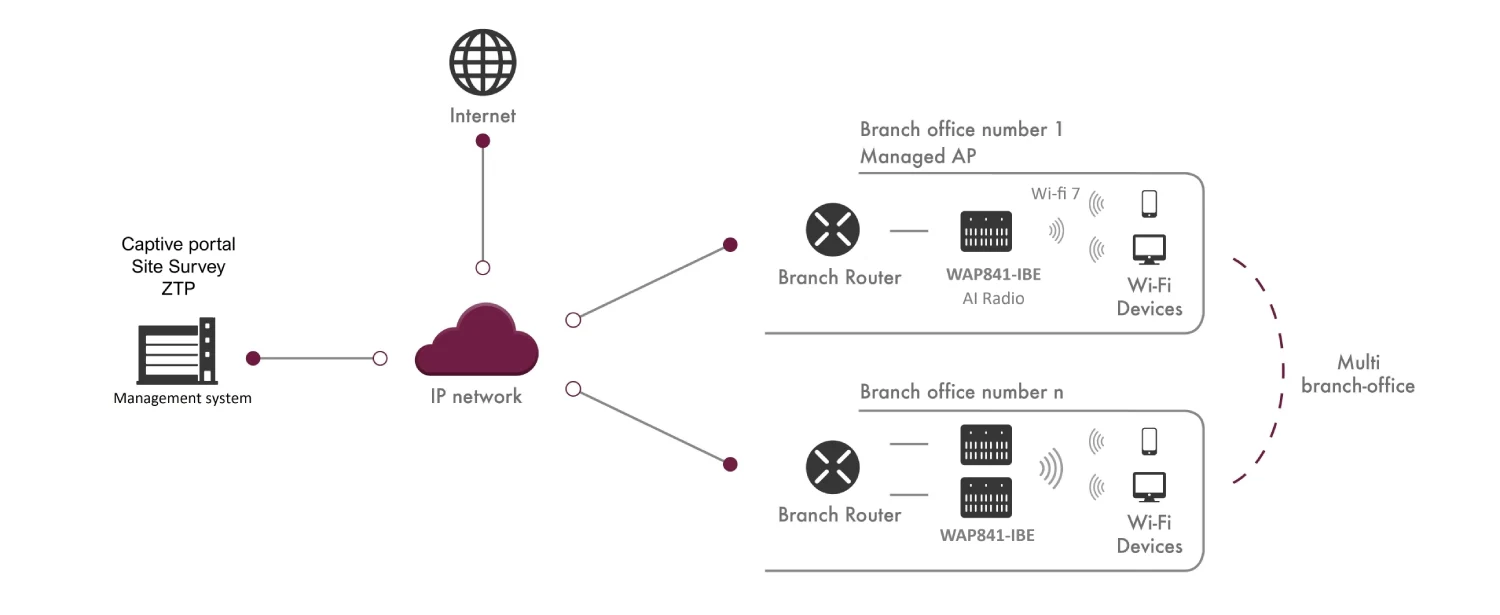
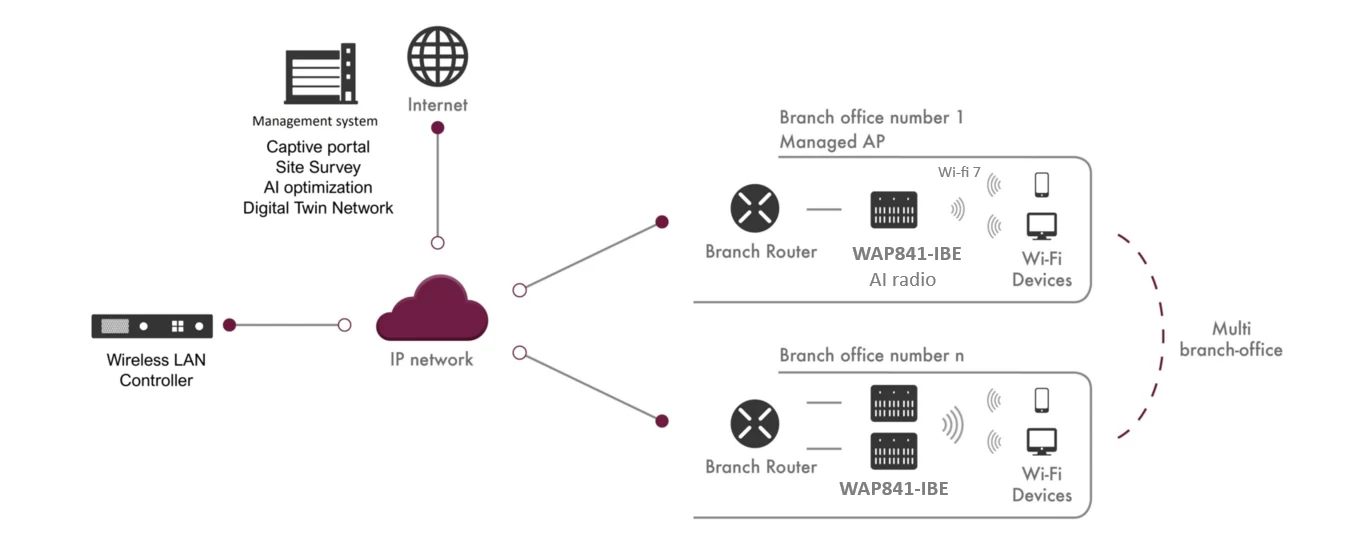
    Flexible for all scenarios: Web configuration in standalone access point mode, or cloud management, or ready for a wireless LAN controller.

    Captive portal, centralized management

    The management platform incorporates a captive portal and integrated tools, avoiding external solutions and reducing operating costs.

    Description

    Windbit WAP841-IBE is a high‑performance indoor enterprise access point designed for next‑generation ultra‑dense wireless networks. Based on a quad‑radio architecture operating across 2.4 GHz, 5 GHz, and 6 GHz bands, it supports up to 8 spatial streams and delivers an aggregate wireless data rate of up to 9.3 Gbps.
    The platform incorporates advanced Wi‑Fi 7‑class technologies, including higher‑order modulation, wide channel bandwidths, OFDMA, MU‑MIMO, and multi‑link operation concepts to maximize spectral efficiency and reduce latency under heavy load. Intelligent RF management enables dynamic channel assignment, adaptive power control, and interference‑aware scheduling.
    For backhaul connectivity, the WAP841‑IBE integrates multi‑gigabit and 10 GbE uplink interfaces, ensuring sufficient capacity for high‑throughput wireless traffic. 
    It supports PoE/PoE+/PoE++ powering and can handle up to 768 concurrent client devices.

    borrar

    Windbit WAP841-IBE is a high‑performance indoor enterprise access point designed for next‑generation ultra‑dense wireless networks. Based on a quad‑radio architecture operating across 2.4 GHz, 5 GHz, and 6 GHz bands, it supports up to 8 spatial streams and delivers an aggregate wireless data rate of up to 9.3 Gbps.
    The platform incorporates advanced Wi‑Fi 7‑class technologies, including higher‑order modulation, wide channel bandwidths, OFDMA, MU‑MIMO, and multi‑link operation concepts to maximize spectral efficiency and reduce latency under heavy load. Intelligent RF management enables dynamic channel assignment, adaptive power control, and interference‑aware scheduling.
    For backhaul connectivity, the WAP841‑IBE integrates multi‑gigabit and 10 GbE uplink interfaces, ensuring sufficient capacity for high‑throughput wireless traffic. 
    It supports PoE/PoE+/PoE++ powering and can handle up to 768 concurrent client devices.

    Key Features

    Advanced 4096-QAM technology

    With 4096-QAM modulation and 802.11be, the maximum access speed can reach 9,335 Gbps. With all radios activated simultaneously, a high-speed and highly efficient Wi-Fi 7 experience is achieved.

    High security and reliability

    It supports cyclic shift/delay diversity (CDD/CSD), maximum ratio combination (MRC), space-time block coding (STBC), and low-density parity checking (LDPC).

    Channel width up to 320MHz

    The channels can be 20 MHz, 40 MHz, 80 MHz, 160MHz, and 320 MHz.

    Wireless Intruder Detection System (WIDS)

    And user isolation, detection and containment of unauthorized access points. CPU Protection Policy (CPP). Network Foundation Protection Policy (NFPP).

    Orthogonal Frequency-Division Multiple Access (OFDMA)

    OFDMA allows multiple users to simultaneously receive/send packets through the AP, minimizing user contention and data forwarding, thereby reducing latency and improving network efficiency.

    Improved signal quality

    Encryption and authentication technologies including WPA3, 802.1X and PPSK, ensuring secure communications, advanced access control and comprehensive data protection in corporate environments. 

    High number of BSSIDs

    Network administrators can encrypt and isolate separate VLANs or subnets of the same SSID, with specific authentication methods for each SSID. Supports up to 48 (16 BSSIDs per radio).

    IPv4/IPv6 Services

    DHCPv4 server, NAT4, neighbor discovery (ND), ICMPv6, IPv6 DHCP client, static routing, PPPoE client, IPsec VPN.

    Do you want to know more?

    Download the product datasheet →

    Read our latest Blog Posts

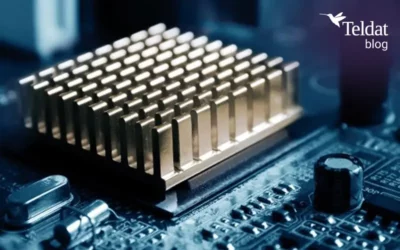
    Heat Transfer in network equipment

    Heat Transfer in network equipment

    Heat transfer is a crucial part of how any electronic equipment works. When devices are operating, their internal components generate heat, and that heat needs to be dissipated in a controlled way. Doing so ensures safe and reliable operation, helps maintain optimal...

    read more