

Teldat’s Solutions for Smart Water Networks
Advanced communication technologies enable smart water networks to operate securely, reliably, and at scale. Delivering trusted data, better visibility, and continuous support at every stage of the water cycle.
Smart, secure, and resilient water networks
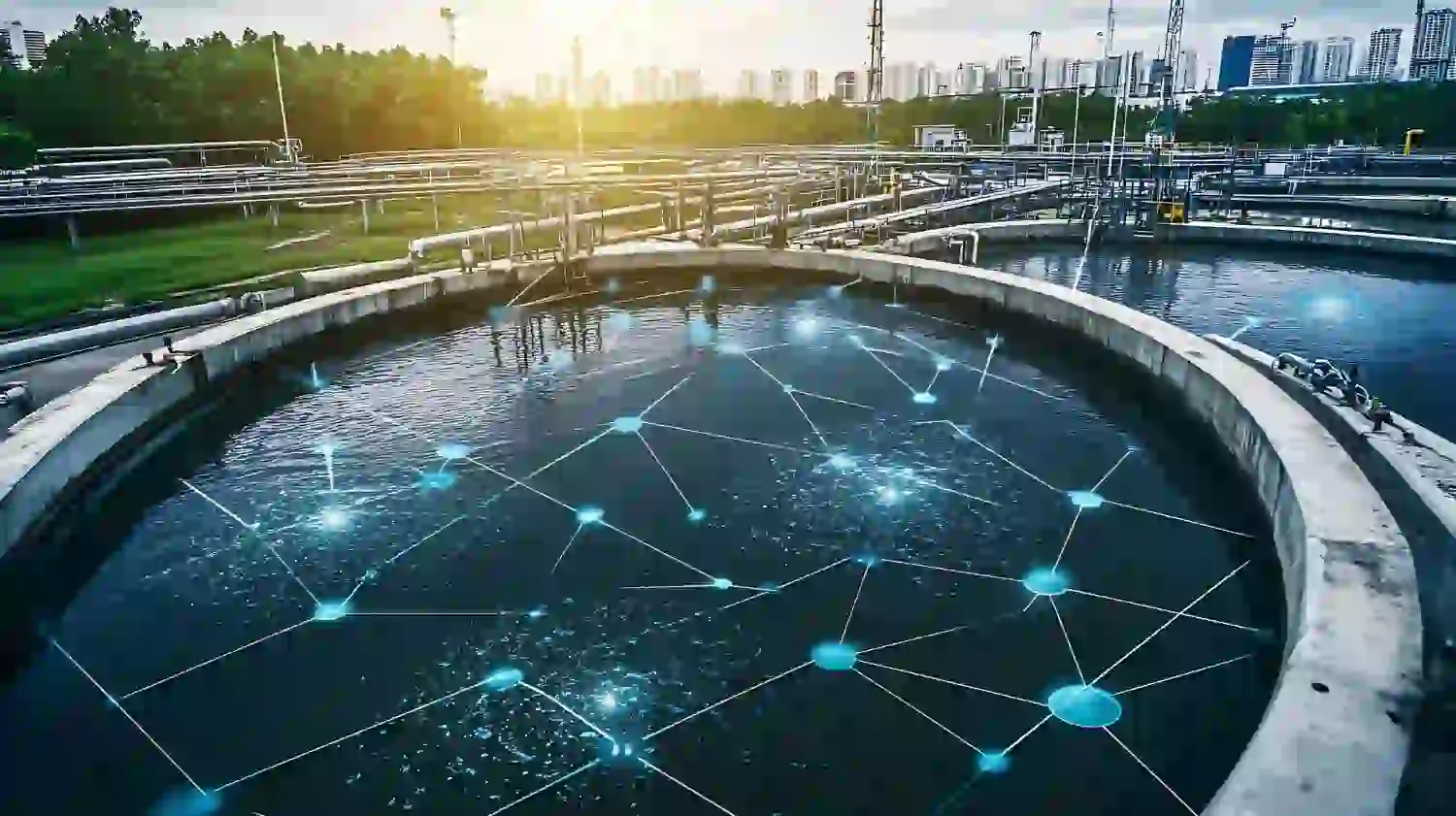
- Industrial-grade communications for pumping stations, tanks, and treatment plants.
- Fiber, LTE/5G, and radio technologies for real-time telemetry and greater water network visibility.
- Built-in cybersecurity (NGFW, OT, ZTNA , DPI) to safeguard critical assets.
- SD-WAN for optimized routing, secure segmentation, and resilient communications.
- Centralized management to streamline deployments, boost efficiency, and keep operations running.


The smart water network market: Overview
Three major trends are shaping this transformation:
- Stronger operational resilience: demanding early fault detection and fast response at remote sites through stable, always-on communications.
- Expanding sensor and automation deployment: integrating data from pumping stations, tanks, distribution networks, and treatment plants to optimize energy, regulate pressure, and monitor water quality.
- Rising regulatory and environmental pressure: pushing operators to cut losses, use resources more efficiently, and maintain continuous service even under stressful operational conditions.
The proliferation of smart meters, remote stations, and IoT devices is increasing the need for communications infrastructure that is secure, scalable, and simple to manage. Fiber, LTE/5G, and radio backed by advanced OT cybersecurity are now essential to protect control systems and guarantee uninterrupted operations.
Together these trends make Smart Water Networks a cornerstone of the shift toward more efficient, reliable, and sustainable water management.
Key points for Smart Water Networks

Smarter water consumption
Smart meters and flow sensors give instant visibility into water usage. Customers spot leaks early and use water more consciously, while Utilities cut losses and plan ahead for future demand.

Cybersecurity for critical networks
Greater digitalization means greater exposure to cyber threats. OT protection, advanced segmentation, and protocol inspection are now essential to keep services running and distributed assets secure.

Continuous and preventive monitoring
Smart water networks monitor pressure, flow, and water quality around the clock. Advanced analytics catch anomalies before they become problems, cutting intervention times and keeping operational costs down.

Automated operational efficiency
Automation continuously adjusts pumps, valves, and equipment to match real network conditions, reducing energy use, preventing overload failures, and keeping the system stable no matter what.
Understanding Smart Water Networks
Smart water networks represent the natural evolution of the water cycle. More digital, more automated, and designed for efficiency. Sensors, monitoring systems, and real-time analytics are transforming how water supply and treatment infrastructure are managed, making communications infrastructure a critical network for coordinating distributed facilities, catching issues early, and keeping services running reliably.
To meet these demands, a new generation of industrial communication platforms is emerging, purpose-built for complex operational environments. They combine rugged hardware designed to withstand humidity, vibrations, and temperature extremes, with flexible connectivity across fiber, LTE/5G, and radio. The result is a network architecture that adapts to any scenario. From remote pumping stations and storage facilities to urban distribution networks and treatment plants running multiple OT systems side by side.
The rapid expansion of advanced sensors is driving demand for communications that can handle frequent telemetry, distributed control, and real-time analysis. Wireless technology fills the gaps where infrastructure doesn’t exist, while fiber provides the stability, capacity, and low latency required in critical facilities such as water and wastewater treatment plants. Together, they form hybrid networks that stay reliable no matter how demanding the conditions.
Integrating data from pumps, valves, flow meters, pressure sensors, and water quality stations unlocks a new level of automation. Optimizing energy use and driving efficiency across the entire network. With everything consolidated in real-time, operators can spot anomalies faster, respond on-site more quickly, and shift from reactive fixes to truly predictive network management.
However, greater connectivity also increases exposure to risk. Water infrastructure is critical to public safety, making OT cybersecurity non-negotiable at every level of the network. Modern platforms must include advanced segmentation, industrial protocol inspection, robust authentication, and continuous monitoring building a defense-in-depth approach that keeps operations secure from the inside out.
Taken together, smart water networks are evolving into highly connected ecosystems where communications act as the engine of efficiency, resilience, and sustainability. These networks do far more than move data. They modernize operations, strengthen security, and prepare the water cycle to meet the challenges of today and tomorrow.

Smart Water Networks Solutions and Products
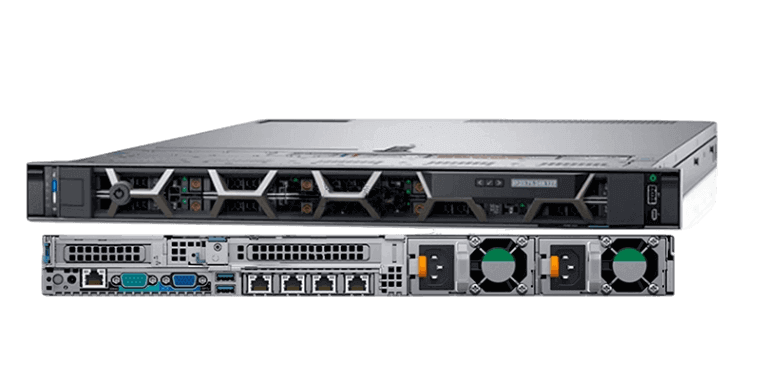
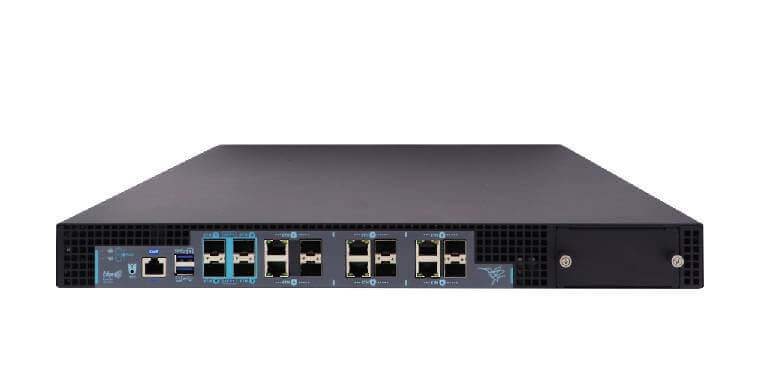
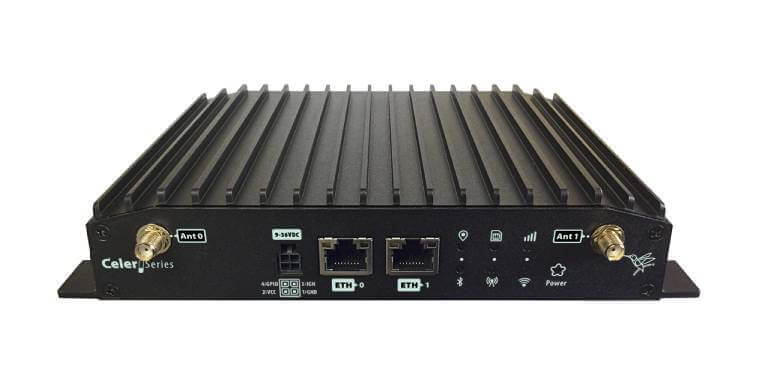
At the core of Teldat’s product range is the Regesta family. Iincluding Regesta Smart PRO and Imber purpose-built for installations exposed to humidity, temperature extremes, and constant vibration. These modular platforms integrate dual-SIM LTE/5G, fiber, radio, and Gigabit Ethernet, delivering reliable backhaul and secure data exchange across pumping stations, reservoirs, treatment plants, and control centers. Their rugged industrial design ensures stable, predictable performance even in the most remote locations.

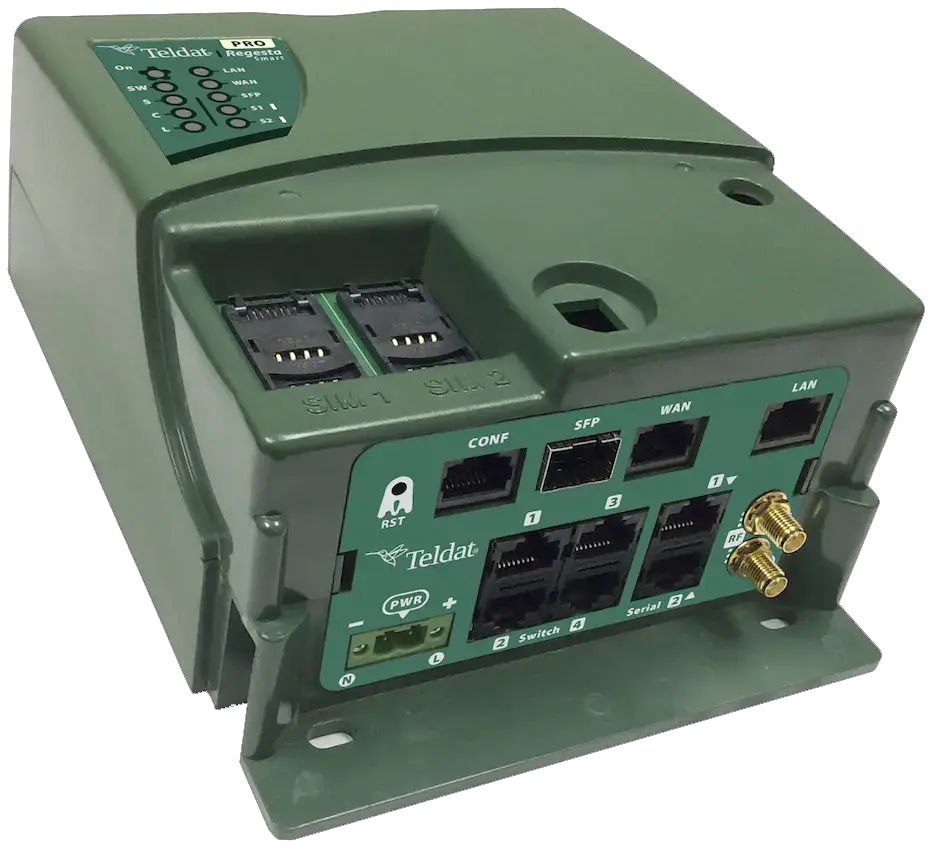
For telemetry, distributed control, and real-time monitoring, Teldat’s industrial gateways connect sensors, PLC’s, and RTUs via IP and serial interfaces, bringing all operational data into a single, unified network. The result is simpler telemetry, tighter control over water levels, pressure, and quality, and a clear path to expanding existing network infrastructure without starting from scratch.
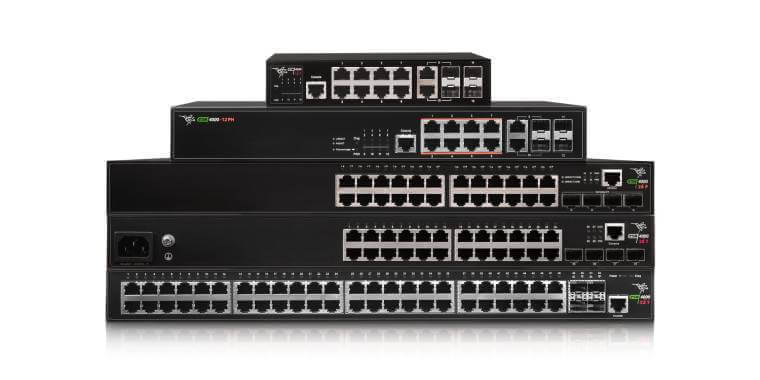
Teldat’s solutions also incorporate industrial SD-WAN. Intelligently optimizing traffic based on criticality, prioritizing alarms and telemetry, and automatically switching links the moment connection quality drops. This built-in network intelligence keeps remote locations stable and makes centralized management of distributed infrastructure truly practical. With L2 and L3 service support, legacy systems integrate seamlessly into modern architecture without costly overhauls.
Security is built into every layer. Teldat’s smart water network solutions incorporate SASE, NGFW, Zero-Trust OT, and DPI for water protocols protecting critical assets against unauthorized access, process manipulation, and cyberattacks. Deep traffic inspection identifies improper commands and operational anomalies in real time, while advanced segmentation prevents threats from spreading laterally across the network.
Every Teldat solution for the water cycle is built on a unified architecture that prioritizes security, resilience, and ease of management. Centralized monitoring, remote provisioning, and built-in redundancy keep services running while reducing the burden on operations teams. Because all product families work seamlessly together, operators can build coherent, future-ready communication infrastructures .Ready for wherever the transition toward smarter, more efficient water networks takes them.

Smart Water Networks – Use Cases
Smart metering
Managing thousands of meters across vast, distributed deployments, including remote areas with no on-site staff, demands communications you can rely on.

Remote Control & Automation
Keeping critical water cycle facilities running continuously with secure remote control and real-time visibility.
Security in Smart Water Networks
Protecting plants, pumping stations, and networks from unauthorized access, process tampering, and cyberattacks targeting the water cycle.
SD-WAN for Smart Water Networks
More resilient, efficient communications in smart water networks through advanced policy-based routing and dynamic connectivity across scattered facilities.
Smart Metering
Managing thousands of meters across vast, distributed deployments, including remote areas with no on-site staff, demands communications you can rely on.
Challenge
The mix of technologies, limited physical access, and the need to minimize field visits all add up to serious operational complexity. On top of that, operators must bring new devices online without interrupting service or compromising data quality, because accurate billing, early incident detection, and smart demand planning all depend on it.
Solution

Teldat’s Regesta Smart and Imber devices deliver advanced communications purpose-built for remote meter reading. They combine LTE/5G connectivity, Ethernet ports, and serial interfaces to integrate seamlessly with existing meters and hubs. Remote management lets operators configure templates, push firmware updates, and monitor thousands of nodes from a single interface, while redundant dual-SIM connectivity keeps services running even in the most challenging locations.
Support for standard protocols and built-in cybersecurity keep devices running reliably and data flowing securely. The result: fewer site visits, faster rollouts, and expansions without disruption.
Why Teldat?
With decades of experience in industrial communications, Teldat delivers hardware built to thrive in the most demanding environments, backed by an architecture that scales effortlessly to thousands of metering points. The Regesta family connects natively with remote reading systems, brings advanced OT security by default, and makes deployment scalable, reliable, and straightforward to manage.
Remote control and automation
Keeping critical water cycle facilities running continuously with secure remote control and real-time visibility.
Challenge
Pumping systems and self-regulating reservoirs are critical infrastructure. Their availability directly determines whether supply stays continuous. Many are in remote locations, must endure harsh environmental conditions, and run on legacy PLC’s or RTUs that were never designed to work within a unified modern architecture.
Without proper visibility into flow rates, water levels, and pump status, failures can go undetected, efficiency drops, and operating costs climb. At the same time, operators must monitor real-time alarms and coordinate maintenance. All without ever taking the service offline.
To support automation, remote control, and predictive analytics, communications must deliver low latency, robust OT security, and continuous stability.
Solution

Centralized management simplifies the operation of running a distributed network, enabling remote updates and fast incident resolution from a single point of control. With integrated cybersecurity, only authorized devices and users can access control systems.
Why Teldat?
Teldat devices are built for the most critical locations in the water cycle, combining industrial-grade ruggedness, flexible connectivity, and integrated OT security in a single platform. Their advanced management capabilities and high availability make them an ideal platform for modernizing remote control of pumps and reservoirs.
Security in Smart Water Networks
Protecting plants, pumping stations, and networks from unauthorized access, process tampering, and cyberattacks targeting the water cycle.
Challenge
Operators need strong authentication, deep industrial protocol inspection, traffic segmentation, and full visibility to detect anomalous behavior before it becomes a crisis. They must also maintain regulatory compliance and respond to incidents as they occur.
Solution

Teldat’s communications architecture embeds advanced OT cybersecurity at its core. Built around next-generation firewalls, ZTNA, and protocol-specific DPI. Together, these capabilities identify suspicious access attempts, block unauthorized commands, and isolate compromised devices before they can cause broader damage.
Centralized management ensures consistent security policies across every installation. From treatment plants to reservoirs and remote stations. Real-time logs and alerts mean threats are detected and addressed immediately, while advanced segmentation contains any attack before it can spread and compromise critical water cycle processes.
Why Teldat?
SD-WAN for Smart Water Networks
More resilient, efficient communications in smart water networks through advanced policy-based routing and dynamic connectivity across scattered facilities.
Challenge
Operators must manage thousands of devices, legacy OT systems, and cloud applications. All without compromising security. Traditional WAN architectures cannot keep pace: they cannot adapt dynamically to link quality or guarantee that telemetry, alarms, and control data are delivered in the correct order.
In addition, geographical distances and dispersed assets make centralized operations more difficult and increase the risk of configuration inconsistencies across the network.
Solution

Teldat’s SD-WAN solution unifies and optimizes communications across water cycle facilities through centralized policies that manage traffic in real time. Dynamic route selection ensures that critical operational data is always transmitted via the most reliable link, while segmentation and built-in security keep OT traffic protected at all times. L2/L3 support allows legacy systems and modern architectures to coexist without disruptive changes. With configuration templates and continuous monitoring, large-scale deployments are easier to manage providing stable service even in remote locations or when links degrade.
Why Teldat?
Teldat brings together industrial-grade hardware and advanced SD-WAN intelligence in a single platform that delivers stable, secure, and fully managed communications. Its policy-driven approach, automatic switching, and deep OT integration make it an ideal solution for distributed, mission-critical water networks.

European Utility Week 2018: Smart Grids and more
On November 6th, the European Utility Week 2018 (EUW18) was held in Vienna (Austria). The event is attended by numerous companies and industry experts and provides an opportunity for them to showcase their developments and solutions. One of the main objectives of this...

ZigBee Smart Energy
ZigBee Smart Energy (SE) is a standard for interconnecting and interoperating devices, via radio frequency, directed towards monitoring, managing and automating energy, gas and water usage. It seeks to be a useful tool for creating “Green Homes”, and is aimed at...

Smart Grid: The advantages of having always-on communications
The need for real-time communications in Smart Grid scenarios is becoming increasingly important. One of the most common solutions is to have industrial routers send information securely to the different utility control centers. Main Advantages 1. Flexibility, because...