Logo Teldat
Switches: Stacking/grouping/virtualization techniques

Switches: Stacking/grouping/virtualization techniques

This blog post is the first in a series in which we will analyze the most notable technologies that we should take into account when selecting switches. Its aim is not to give a comprehensive description or follow any “didactic” order. One of the main characteristics of professional switches is the feature known as stacking, grouping or virtualization. Different manufacturers refer to this...

read more
Electric Vehicle Charging Networks: the weak link in the chain

Electric Vehicle Charging Networks: the weak link in the chain

A phrase that is commonly repeated in the realm of systems, processes, and equipment management is “a chain is only as strong as its weakest link”. This couldn’t be more true when it comes to deploying an electric vehicle charging network. Charging point operators (CPOs), responsible for managing charging stations, often bear the brunt of the significance of this phrase within their own chain....

read more
Telecommunications in industrial automation

Telecommunications in industrial automation

Industry is currently undergoing a significant transformation due to the increasing adoption of automation. Ongoing technological advancements have led to the development of more efficient systems and processes, and the role of communications has been one of the key drivers of this revolution. This article looks at how communications have played a crucial role in industrial automation and how...

read more
Connecting some of the dots between Nftables, Iptables and Netfilter

Connecting some of the dots between Nftables, Iptables and Netfilter

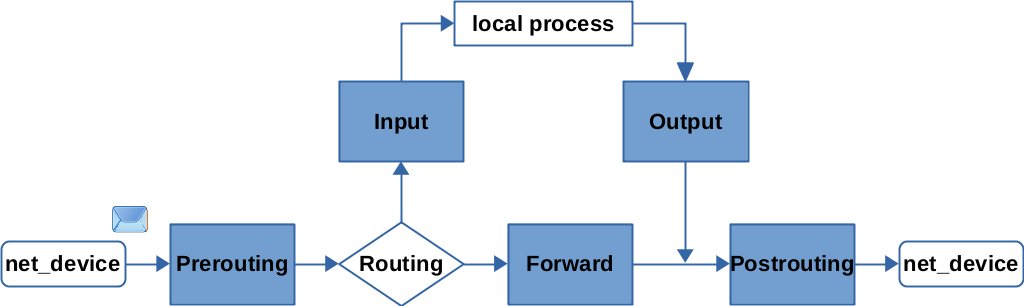
When it comes to packet filtering on Linux, Nftables (a successor to Iptables) has matured sufficiently in recent years for it to be considered the default tool to use today. However, Iptables is still widely used in modern systems (e.g., Debian buster),  with it often being “emulated” by using Nftables as backend, whereupon it becomes merely an alternative syntax to Nftables for defining packet...

read more
Monitor the performance of queries against databases to eliminate unnecessary costs

Monitor the performance of queries against databases to eliminate unnecessary costs

In our previous article we saw the great advantages of applying Best Programming Practices in SQL Server. We’d like to explore this further, this time focusing on query optimization. SQL is a declarative language: each query declares what we want the database engine to do, but it doesn’t say how. However, it turns out that the how (the plan) is what affects the efficiency of the queries, so it...

read more
Best programming practices for relational databases and cost savings

Best programming practices for relational databases and cost savings

No time is a bad time to plan improvements. Looking for ways to reduce development costs in the cloud is always a good thing. Process response times in Microsoft SQL Server databases are irreparably deteriorating as our data volume grows. Therefore, we must stay one step ahead by improving our infrastructure and the way we act towards them. Everything can always be improved without needing to...

read more