

BLOG
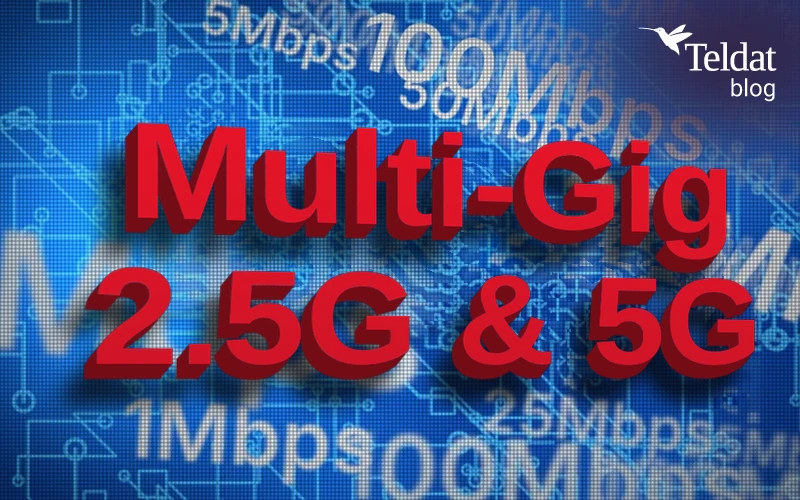
Multi-Gig 2.5G and 5G: faster access without changing the cabling
If you have just installed new Wi-Fi access points in your office, school or hospital, expecting everything to run much faster with the latest technology such as Wi-Fi 7, only to find that things are still slow after a few weeks, the problem is not the Wi-Fi. The problem lies in the cable that connects everything to the network. We have been using the Gigabit...
Kategorien

AI-Driven Automation and AIOps: A smarter way to manage enterprise networks
The growing complexity of IT infrastructures, driven by the adoption of hybrid, multicloud, and edge computing environments, is making traditional operating models increasingly inefficient. Against this backdrop, AI-driven automation and AIOps (Artificial Intelligence...

Edge Computing local processing where data is generated
Every second, millions of sensors, cameras, and connected devices generate data across factories, vehicles, power grids, and entire cities. For years, the standard practice was to ship all of it to the cloud for processing. It was convenient, but it’s becoming less...

European Regulatory Compliance – Public Sector – Sovereignty as a Security Measure
For the past decade, European or EU cybersecurity regulations have focused on asking public administrations what they do: what policies they have in place, what risks they’ve assessed, and how they report an incident. The new regulatory framework asks something...

Zero Trust Remote Access – Identify, context & verification
Remote Access (Zero Trust Remote Access) has become a key element for any organization. Remote work, employee mobility, and collaboration with third parties are now the norm rather than the exception. However, the way many companies grant access to their corporate...

Secure SD-Branch SASE Convergence
For years, branch networking and enterprise security evolved independently, each with its own infrastructure, devices, and management consoles. However, widespread cloud adoption, the rise of SaaS applications, and the shift to remote work have dissolved the...

MPLS traffic, SD-Branch and 5G connectivity
For nearly three decades, connecting a branch office to the corporate network meant one thing: ordering an MPLS circuit. It was the reliable, predictable choice. The private toll motorway of enterprise traffic, where every packet travelled in a guaranteed lane....
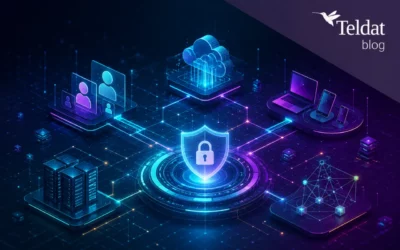
Open XDR Ecosystem Integration
Introduction Modern enterprise networks rely on dozens of security technologies from different vendors. There's EDR for endpoint protection, SIEM to collect and retain logs for regulatory compliance, cloud services such as AWS, Google Cloud, and Azure and the list...
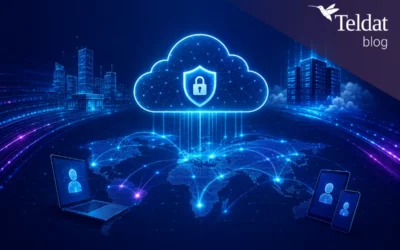
Secure SASE Convergence: Unifying Network and Security
For years, network and security teams were tasked with connecting and protecting a type of organization that no longer exists: one with a clearly defined perimeter, where employees worked from the office and applications resided in a single data center. That world no...

Zero Touch Access Microsegmentation: Redefining security in distributed environments
The rise of digital transformation has led organizations to operate in highly distributed environments, where users, applications, and networks are spread across the cloud, data centers, and remote offices. In this context, traditional perimeter-based security models...

Flexible 5G/LTE backup connectivity: rethinking the role of wireless WAN
For more than two decades, mobile networks have served as the safety net for enterprise WAN environments. From the early days of GPRS modems to today’s 5G Standalone (SA) connections, the core idea has always remained the same: if the wired link fails, the cellular...

Cost optimized SD-Branch connectivity
As enterprises expand their branch office presence while facing increasing pressure to control IT spending, traditional network architectures are proving unsustainable. Legacy deployments built on expensive dedicated circuits and multiple standalone appliances...
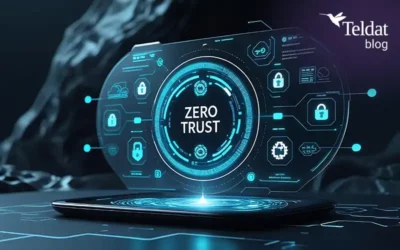
Modular Security and Zero Trust Integration: An Architecture for Modern Threats
Cyberthreats are evolving faster than ever, and attackers are becoming increasingly specialized. Not all threat actors operate in the same way. Today’s landscape includes everything from ransomware groups running affiliate-based business models to initial access...

