

• Cybersecurity Glossary
What is critical energy infrastructure security?
Critical energy infrastructure cybersecurity is the discipline of protecting the systems that generate, transmit and distribute electricity from cyberattacks. It secures both the Operational technology that controls physical grid equipment, such as SCADA and remote terminal units, and the IT that manages data, with particular focus on the point where they converge. Because the grid is essential infrastructure whose disruption threatens public safety, protection combines OT aware defenses, network segmentation and regulatory compliance. This page explains the threats facing the energy sector, how OT and IT security differ, the regulations that apply, and how Teldat protects the grid with be.OT and be.Safe XDR.
Critical energy infrastructure security defined
Critical energy infrastructure cybersecurity is the practice of protecting the systems that generate, transmit and distribute electricity from digital threats. It is a specialized branch of cybersecurity because the grid is not an ordinary IT environment: it is a physical system, controlled by Operational technology, whose failure has consequences far beyond lost data, from blackouts to risks to public safety.
The discipline spans three domains. It protects Operational technology, the SCADA systems, remote terminal units and controllers that operate switches, transformers and substations. It protects the IT that manages consumption data, billing and operations. And, most importantly, it protects the convergence point where these two worlds now meet, because digitalization has connected systems that were once isolated. Each domain has different priorities, and defending them together is what makes grid security distinct.
In practice, protecting critical energy infrastructure means securing communications across thousands of dispersed and often unattended sites, detecting threats that target industrial protocols, containing intrusions before they spread, and doing all of this in line with regulations such as NIS2 and IEC 62443. This is the layer where Teldat focuses, combining OT security with the industrial communications the grid depends on through be.OT and be.Safe XDR.
Why the energy sector is a target?
Energy infrastructure has become one of the most sought after targets in cyberspace. Understanding why explains the level of protection it now requires, and why generic security is not enough.
Main cyber threats and attack vectors
Threats to energy infrastructure take many forms, from data extortion to direct manipulation of physical processes. These are the vectors utilities most need to defend against, and the ones a grid security strategy has to address.
IT vs OT security
Protecting the grid means understanding that IT and OT security are not the same discipline. They have different goals, constraints and failure modes, and treating OT like IT is a common and dangerous mistake. The table sets out the contrast.
| Dimension | IT security | OT security |
|---|---|---|
| Top priority | Confidentiality of data | Availability and physical safety |
| Impact of failure | Data loss or breach | Blackouts, physical damage, safety risk |
| System lifespan | Years, frequently refreshed | Decades, rarely replaced |
| Patching and reboot | Routine, scheduled | Difficult, downtime not tolerated |
| Protocols | Standard IT, well documented | Industrial SCADA, specialized |
| Security approach | Standard IT tooling | OT aware, protocol specific defenses |
Why the distinction matters: applying IT security tools directly to OT can be worse than doing nothing, an aggressive scan or forced patch can knock a control system offline and cause the very outage it was meant to prevent. Effective grid protection needs defenses that understand industrial protocols and respect operational constraints. Teldat builds this OT awareness into be.OT, so security strengthens the grid rather than disrupting it.
Defense in depth for the grid
No single control protects critical energy infrastructure. Effective security layers multiple defenses so that if one fails, others contain the damage. These are the core layers that protect a modern grid, and that Teldat delivers on its platforms.
Regulation and compliance
Because the grid is critical infrastructure, its protection is not only a technical goal but a legal obligation. A framework of regulations sets what utilities must do, and compliance has become a driver of security investment in its own right.
Best practices to secure the grid
Turning principles into protection means following a set of proven practices. These are the steps utilities take to build resilient energy infrastructure, each supported by the right communications and security foundation.
Energy infrastructure protection with Teldat
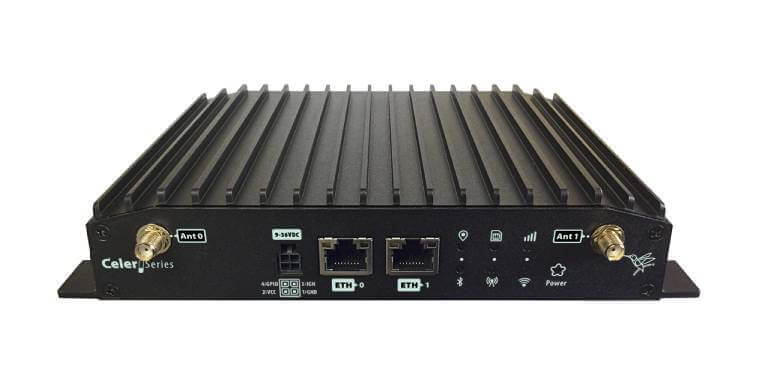
Teldat protects critical energy infrastructure at the communications layer, where digitalization and cyber risk meet. Combining be.OT for operational technology security, be.Safe XDR for AI driven detection and response, and the hardened Regesta Smart family of industrial routers, Teldat secures the grid end to end, engineered for electrical environments and operated under European jurisdiction.
Why the communications layer is where the grid is defended: most attacks on energy infrastructure travel through the network, exploiting the convergence of IT and OT and the many dispersed, connected sites. Because Teldat combines OT security, XDR and hardened industrial communications in the same Regesta Smart platforms, utilities protect the grid exactly where the threats arrive, under European jurisdiction and aligned with NIS2.
FAQ’s about critical energy infrastructure security
❯ What is critical energy infrastructure cybersecurity?
It is the practice of protecting the systems that generate, transmit and distribute electricity from cyberattacks. Unlike ordinary IT security, it has to defend operational technology, the SCADA systems, remote terminal units and controllers that operate physical grid equipment, as well as the IT that handles data, and above all the point where the two converge. Because the power grid is critical infrastructure whose failure endangers public safety and the economy, this discipline combines OT aware threat detection, strict network segmentation, secure remote access and compliance with frameworks such as NIS2 and IEC 62443.
❯ Why is the energy sector a target for cyberattacks?
The energy sector is attractive to attackers because disrupting it causes wide, immediate and highly visible damage, which makes it a target for state actors, criminal groups and hacktivists alike. Grids are also increasingly digitalized and interconnected, so there are more entry points than ever, and much of the installed base still runs legacy OT systems that were designed for isolation, not for internet exposure. The combination of high impact, a growing attack surface and aging equipment makes energy infrastructure both a valuable and a comparatively soft target, which is why it needs dedicated protection.
❯ What are the main cyber threats to energy infrastructure?
The main threats include ransomware that can halt operations, attacks on SCADA and industrial control systems that manipulate physical processes, and intrusions through the IT and OT convergence point where a foothold in corporate systems is used to reach operational ones. Supply chain compromises, insider threats and attacks on remote access for maintenance are also significant. Because field sites are geographically dispersed and often unattended, physical and remote access to devices is an additional vector, so protection has to span the whole distributed environment rather than just a central data center.
❯ What is the difference between IT and OT security in the grid?
IT security protects data and prioritizes confidentiality, while OT security protects physical processes and prioritizes availability and safety, since a control system going down can mean a blackout, not just lost data. OT systems often use specialized industrial protocols, run for decades and cannot be patched or rebooted freely, so IT tools applied directly can do more harm than good. Effective grid protection therefore needs OT aware measures, such as deep packet inspection that understands SCADA protocols, combined with careful management of the IT and OT convergence point.
❯ Which regulations govern energy infrastructure cybersecurity?
In Europe the central framework is the NIS2 Directive, which sets security and incident reporting obligations for operators of essential services including energy, complemented by IEC 62443 for industrial automation and control systems and, in Spain, the National Security Framework (ENS). In North America the reference is NERC CIP. These frameworks push utilities toward risk management, segmentation, access control and demonstrable governance. For European operators, keeping infrastructure and its data under European jurisdiction is increasingly part of both compliance and digital sovereignty.
❯ How does Teldat protect critical energy infrastructure?
Teldat secures the grid at the communications layer where digitalization and risk meet. be.OT provides operational technology security with Zero Trust Network Access for OT, SCADA aware deep packet inspection and secure segmentation, so only authenticated devices reach critical assets and malicious commands are detected in real time. be.Safe XDR adds AI driven detection and response across physical and virtual networks, while the Regesta Smart family delivers these protections on hardened industrial routers built for electrical environments. As a European manufacturer, Teldat keeps grid communications under European jurisdiction, aligned with NIS2 and ENS.
Protect your energy infrastructure with Teldat
be.OT, be.Safe XDR and the Regesta Smart family secure the grid across OT, IT and their convergence point, engineered for electrical environments and operated under European jurisdiction, aligned with NIS2 and IEC 62443.