

● Cybersecurity Glossary
What is OT Security?
OT security (Operational Technology security) is the set of practices, technologies, and processes used to protect industrial control systems, SCADA networks, PLCs, and other operational technology from cyber threats. As IT and OT networks converge, previously isolated industrial environments are now exposed to ransomware, protocol exploitation, and lateral movement from corporate networks. OT security requires a fundamentally different approach from IT security because industrial systems prioritize availability and physical safety over data confidentiality, run legacy equipment that cannot be easily patched, and use protocols that lack built in authentication. Key frameworks include IEC 62443, NIST SP 800-82, and the Purdue model for network segmentation.
OT security definition and why it matters
OT security is the discipline of protecting Operational Technology environments from cyber threats. This includes the hardware, software, and networks that monitor and control physical processes in manufacturing, energy, water treatment, transportation, oil and gas, and building automation. OT security covers Industrial Control Systems (ICS), SCADA, Distributed Control Systems (DCS), Programmable Logic Controllers (PLCs), Remote Terminal Units (RTUs), and the specialized industrial protocols that connect them.
The need for dedicated OT security emerged as industrial networks lost their historical isolation. For decades, OT environments were air gapped from corporate IT and the internet, and security relied on that physical separation. IT/OT convergence, the adoption of Industrial IoT (IIoT), and the shift toward remote monitoring dissolved that air gap. Today, a compromised email account or a vulnerable cloud application can become the entry point for an attack that reaches the factory floor.
What makes OT security a separate discipline from IT security is the consequence of failure. In IT, a security incident typically means data loss or service disruption. In OT, a compromised controller can damage physical equipment, halt production lines, contaminate water supplies, or endanger human lives. Over 70% of OT organizations reported at least one malware intrusion in the past year, and the majority of those incidents originated from the IT network.
Why OT security matters now: Ransomware groups increasingly target industrial environments because the cost of downtime creates pressure to pay quickly. Nation state actors target critical infrastructure for geopolitical leverage. The global OT security market is projected to exceed $40 billion by 2028. Regulatory frameworks like NIS2 in Europe and CIRCIA in the US now mandate OT security programs for critical infrastructure operators.
OT threat landscape
OT environments face a specific set of threats that differ from traditional IT attacks. Understanding these threats is the foundation for building effective defenses:
OT security vs IT security
OT and IT security share the goal of reducing cyber risk, but the methods, constraints, and priorities diverge in almost every area:
| Dimension | IT Security | OT Security |
|---|---|---|
| Primary goal | Protect data confidentiality and integrity | Ensure continuous availability and physical safety |
| Risk of failure | Data breach, financial loss, reputation damage | Equipment damage, environmental harm, loss of human life |
| Patching approach | Regular automated patch cycles | Virtual patching at network level; direct patching only during rare maintenance windows |
| Asset lifecycle | 3 to 5 year refresh cycles | 15 to 25+ years; many devices run unsupported software |
| Network monitoring | Active scanning, endpoint agents, SIEM | Passive monitoring, NTA with AI, no active scanning (can crash devices) |
| Access control | Active Directory, MFA, SSO, RBAC | Often shared credentials, limited MFA, vendor remote access with broad privileges |
| Incident response | Isolate and remediate the affected system | Must balance threat containment against production continuity and physical safety |
| Regulatory frameworks | GDPR, PCI DSS, SOX, ISO 27001 | IEC 62443, NIST SP 800-82, NERC CIP, NIS2, CIRCIA |
The most common mistake organizations make is applying IT security tools and processes directly to OT environments. Active vulnerability scanners can crash PLCs. Aggressive endpoint agents can interfere with real time control loops. Automated patch deployment can stop production. OT security requires tools and processes that are purpose built for industrial constraints.
The “Purdue Model” and network segmentation
Network segmentation is the single most effective control in OT security. The Purdue Enterprise Reference Architecture provides the standard framework for organizing industrial networks into hierarchical zones with controlled traffic flows between them:
IEC 62443 builds on the Purdue model by defining security zones (groups of assets with the same security requirements) and conduits (communication paths between zones). Each zone is assigned a target Security Level (SL-1 through SL-4), and the conduits between zones are secured according to the higher of the two zones’ requirements. This approach ensures that segmentation is not arbitrary but risk driven.
OT security frameworks: IEC 62443, NIST, NIS2
Several frameworks provide structured guidance for building OT security programs. The three most relevant for industrial organizations today are:
IEC 62443: the global standard for industrial cybersecurity
IEC 62443 is the international standard specifically designed for securing Industrial Automation and Control Systems (IACS). Developed by ISA99 and IEC TC 65 WG 10, it covers the entire lifecycle of industrial systems from design to decommissioning. The standard defines requirements for three stakeholder groups: asset owners (who operate the systems), system integrators (who build and maintain them), and product suppliers (who manufacture the components). Key concepts include zones and conduits for segmentation, Security Levels (SL-1 through SL-4) for measuring protection maturity, and seven Foundational Requirements covering identification, authentication, authorization, data integrity, data confidentiality, restricted data flow, and timely response to events.
NIST SP 800-82: guide to ICS security
NIST Special Publication 800-82 provides specific guidance for securing industrial control systems. It maps the NIST Cybersecurity Framework (CSF) five functions (Identify, Protect, Detect, Respond, Recover) to OT environments, and provides detailed recommendations for ICS network architecture, access control, incident response, and monitoring. NIST SP 800-82 complements IEC 62443 and is widely used by organizations in North America.
NIS2 Directive: European regulatory mandate
The NIS2 Directive (Network and Information Security) is the European Union’s updated cybersecurity regulation for critical infrastructure. It expands the scope of regulated sectors (now including manufacturing, energy, transport, water, and digital infrastructure), requires mandatory incident reporting within 24 hours, mandates risk management measures including supply chain security, and imposes personal liability on management for cybersecurity failures. For organizations operating OT environments in Europe, NIS2 compliance requires a formalized OT security program aligned with standards like IEC 62443.
Framework alignment: IEC 62443 and NIST CSF are complementary, not competing. Organizations can use NIST CSF for overall risk management structure and IEC 62443 for specific OT security requirements. A mapping exercise between the two frameworks eliminates duplicate effort and ensures that both IT and OT security are covered within a single governance program.
OT security best practices
Building an effective OT security program requires practices specifically adapted to industrial constraints. These are the foundational practices that every OT environment should implement:
Teldat OT security solutions
Teldat delivers OT security through its be.OT solution, purpose built for industrial environments where standard IT security tools create more problems than they solve.
be.OT: the four pillars of OT security
Visibility: Automated asset discovery identifies every device on the industrial network, including legacy equipment and devices using proprietary protocols, without disrupting operations. Control: NGFW with over 1,000 ICS OT application controls and IPS signatures developed specifically for industrial protocols like Modbus, DNP3, BACnet, and OPC UA. Detection: Network Traffic Analysis (NTA) with AI models that learn normal OT behavior and detect anomalies, including zero day attacks and protocol abuse that signature based systems miss. Protection: Unified security platform with automated response, countermeasure deployment, and centralized management across all OT and IT assets.
Embedded security at every network node
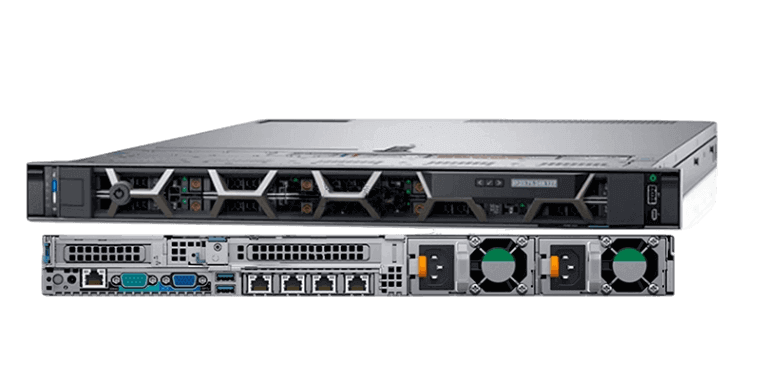
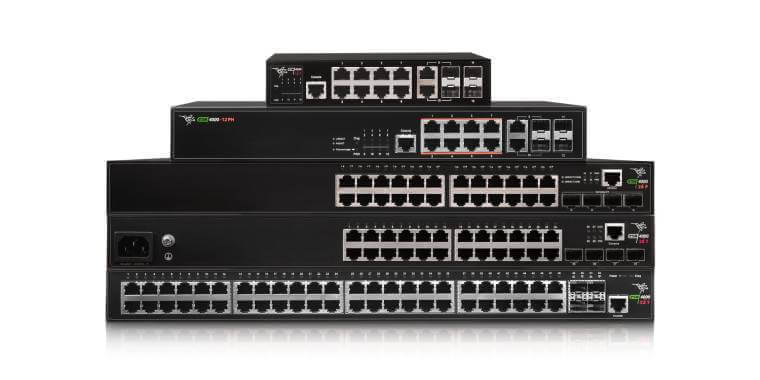
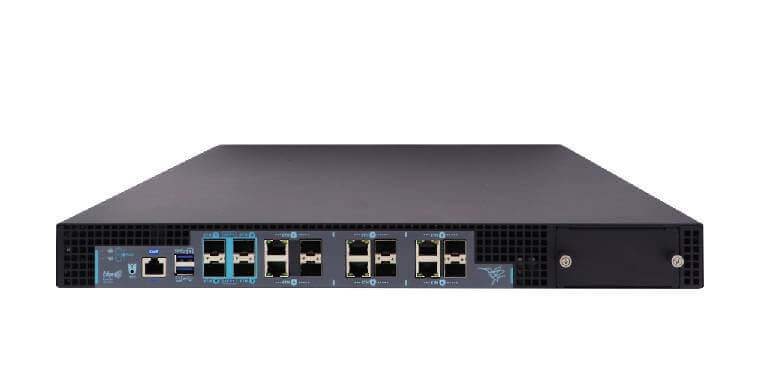
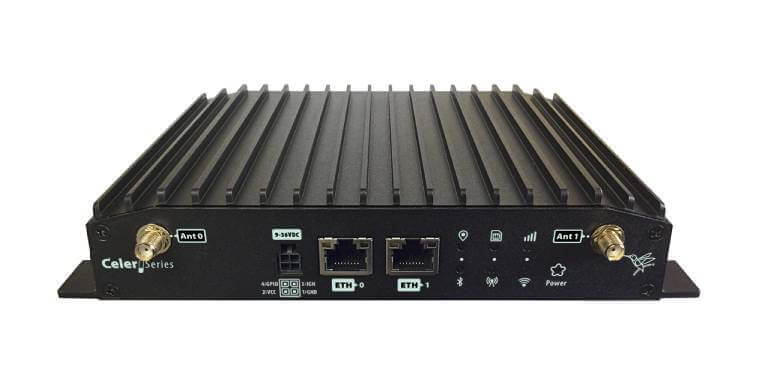
Teldat embeds NGFW and IDS/IPS capabilities directly into its networking hardware. In OT environments, this means security enforcement happens at the closest possible point to the industrial equipment. Each router or switch becomes a security enforcement point that prevents threats from spreading laterally between subnetworks. Dedicated CPUs handle security inspection without impacting network throughput.
Virtual patching for legacy ICS
Teldat’s IPS signatures act as virtual patches at the network level, blocking exploit traffic targeting known vulnerabilities in PLCs, RTUs, and SCADA software without requiring any changes to the vulnerable devices. This approach is aligned with IEC 62443 compensating controls and is essential for environments where stopping production for a software update is not viable.
Unified IT/OT security with be.Safe XDR
OT telemetry from be.OT feeds directly into be.Safe XDR for AI powered threat detection and correlated response across network, endpoint, and industrial events. This unified approach gives security teams a single console for managing both IT and OT threats, closing the visibility gap that attackers exploit in organizations where IT and OT security operate in silos.
Teldat’s industrial advantage: As both a network hardware manufacturer and cybersecurity provider, Teldat delivers OT security embedded in the networking infrastructure itself. be.OT combines asset discovery, NGFW with ICS specific signatures, NTA with AI, virtual patching, and unified IT/OT management. This eliminates the need for separate point products and adapts to the requirements of each industrial environment, from smart grids and railways to manufacturing and critical infrastructure.
Frequently asked questions about OT security (FAQ’s)
❯ What is OT security?
OT security is the practice of protecting industrial control systems, SCADA networks, PLCs, and other operational technology from cyber threats. It differs from IT security because OT systems prioritize availability and physical safety over data confidentiality, run legacy software that cannot be easily patched, and use industrial protocols without built in authentication.
❯ Why is OT security different from IT security?
OT security differs because: (1) OT prioritizes availability and safety over confidentiality. (2) OT devices have 15 to 25+ year lifecycles and often cannot be patched. (3) OT protocols (Modbus, DNP3, BACnet) lack encryption and authentication. (4) Standard IT vulnerability scanners can crash OT equipment. (5) A security incident in OT can cause physical damage, environmental harm, or endanger human lives.
❯ What is IEC 62443?
IEC 62443 is the international standard for industrial automation and control system cybersecurity. It defines security requirements for asset owners, system integrators, and product suppliers. Key concepts include security zones and conduits for network segmentation, Security Levels (SL-1 through SL-4), and lifecycle security from design to decommissioning.
❯ What are the biggest OT security threats?
The biggest threats include ransomware targeting industrial operations, exploitation of legacy systems with known unpatched vulnerabilities, abuse of insecure industrial protocols to send unauthorized commands, supply chain attacks through compromised vendor software, and nation state actors targeting critical infrastructure.
❯ What is the Purdue model in OT security?
The Purdue Enterprise Reference Architecture organizes industrial networks into hierarchical levels: Level 0 (physical process), Level 1 (PLCs and RTUs), Level 2 (HMIs and SCADA), Level 3 (MES and historians), an IT/OT DMZ, and Levels 4-5 (enterprise IT and cloud). It is the standard framework for OT network segmentation, referenced by IEC 62443.
❯ How does virtual patching work in OT?
Virtual patching applies IPS signatures at the network level to block exploit traffic targeting known vulnerabilities in OT devices, without modifying the vulnerable devices themselves. This is the primary method for protecting legacy PLCs, RTUs, and SCADA systems that cannot be patched directly because stopping production is not feasible or because the vendor no longer supports the product.
Protect your Industrial Operations with Teldat
be.OT delivers asset discovery, NGFW with ICS specific IPS, Network Traffic Analysis with AI, virtual patching, and unified IT/OT security management for industrial environments.