

Rolling Stock Solution FAQ’s – Teldat
1. What is the primary objective of rolling stock connectivity solutions?
2. What advanced cellular and wireless technologies are utilized to achieve seamless connectivity onboard trains?
3. How is connectivity for passengers elevated beyond basic internet access?
4. What role does 5G technology play in enhancing operational capabilities beyond passenger Wi-Fi?
5. What specific hardware platforms are offered for rail networks, and what are their key features?
6. Are the hardware solutions compliant with the stringent standards required for harsh railway environments?
7. How is high-density passenger Wi-Fi ensured without interruption?
8. How is reliable Train-to-Ground communication ensured for critical operational needs?
9. How are deployed devices and the overall network infrastructure managed remotely?
10. How is multi-operator connectivity managed efficiently within the rolling stock environment?
11. Why is cybersecurity a critical focus in modern rail communication networks?
12. What specific cybersecurity measures are integrated into the rolling stock connectivity solutions?
13. What is the significance of SD-WAN technology in digitalized rail networks?
14. How is Artificial Intelligence (AI) used to enhance safety and operational efficiency?
15. Can you provide examples of real-world application or case studies for these rolling stock solutions?
1. What is the primary objective of rolling stock connectivity solutions?
The core objective is to maximize operational efficiency and enhance the passenger experience, ensuring seamless, disruption-free connectivity anywhere. Solutions are designed to support the digitalization of transportation infrastructure.
2. What advanced cellular and wireless technologies are utilized to achieve seamless connectivity onboard trains?
3. How is connectivity for passengers elevated beyond basic internet access?
Onboard digitalization elevates the passenger experience by providing hotspots equipped with the latest Wi-Fi technologies. This offers passengers more than just internet access; it includes real-time journey information, smooth content streaming, and gaming capabilities.
4. What role does 5G technology play in enhancing operational capabilities beyond passenger Wi-Fi?
The advancement of 5G cellular technology allows for passengers to enjoy seamless streaming. Critically, the ultra-reliable low-latency communications (URLCC) capabilities of 5G networks enable onboard systems to implement real-time monitoring and preventive management tools. This capability is vital for reducing operational costs and enhancing safety across the rail sector.
5. What specific hardware platforms are offered for rail networks, and what are their key features?
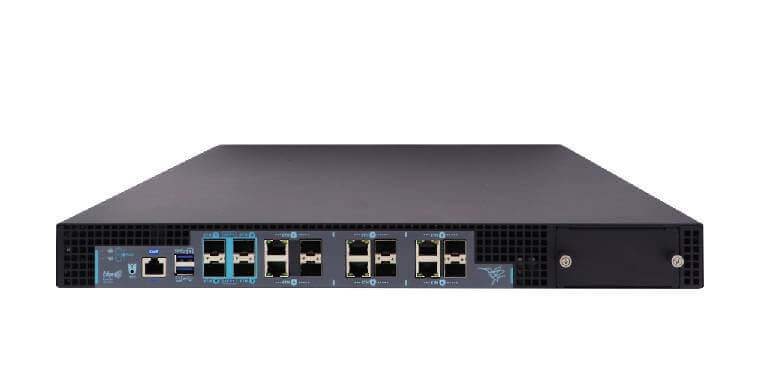
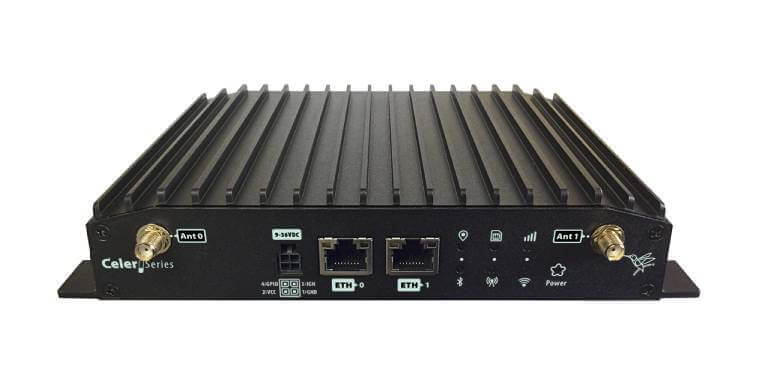
Optimal hardware for rail digitalization includes the H5-Rail platform, which is known for its modular, multi-service, rugged design, high bandwidth, capacity, and e-SIM functionality. The H2-Rail platform is also highly sought-after and Teldat APR2044ax offers Railway Access Point for Wi-Fi services on all trains.
6. Are the hardware solutions compliant with the stringent standards required for harsh railway environments?
7. How is high-density passenger Wi-Fi ensured without interruption?
The APR2044ax is a specific Wi-Fi 6 access point optimized for high-density passenger trains. This device guarantees a full and uninterrupted connection for passengers, taking into account all transport conditions and situations.
8. How is reliable Train-to-Ground communication ensured for critical operational needs?
9. How are deployed devices and the overall network infrastructure managed remotely?
Teldat provides a comprehensive software solution starting with the (CNM) Single Pane of Glass, which is used for the remote management of all Teldat devices. Additionally, some hardware, such as the SDE-20k, is designed to be easily onboarded using Zero Touch Provisioning (ZTP).
10. How is multi-operator connectivity managed efficiently within the rolling stock environment?
The solutions support eSIM functionality for remote multi-operator management. Furthermore, the use of dual SIM ensures seamless active and backup connectivity.
11. Why is cybersecurity a critical focus in modern rail communication networks?
The rail industry is prioritizing cybersecurity to safeguard network integrity and prevent disruptions that could harm assets, passengers, or staff. As Train Communication Networks (TCNs) become more complex with multiple LANs connected by the WAN, the system becomes increasingly vulnerable to external cyber-attacks. Increased investments focus on risk management and regulatory compliance.
12. What specific cybersecurity measures are integrated into the rolling stock connectivity solutions?
Effective cybersecurity measures are proactive, designed to identify potential incidents before they occur. Solutions include an integrated next-generation firewall (NGFW) for advanced threat and anomaly detection, specifically tailored to railway and operational technology (OT) challenges. The be.Safe Pro solution is Teldat’s next-generation firewall.
13. What is the significance of SD-WAN technology in digitalized rail networks?
The integration of SD-WAN enhances both the efficiency and security of the network. It plays a crucial role in managing the reliable train-to-ground communications required in this new digitalized world.